Status note, verified August 14, 2026: DeepSeek's homepage lists a Harness entry, the API quick-start page calls it a developer preview, and the official GitHub organization hosts deepseek-ai/deepseek-harness. That is not a stable production release. Treat this as developer-preview agent harness evaluation, not an installation guide or benchmark report.
Why Pre-Release Harness Claims Need Verification
An agent harness is not another SDK wrapper. Once it can read files, edit a repository, run shell commands, delegate tasks, and hold credentials, the question changes from "does the model answer well?" to "what can this system touch when it is wrong?"
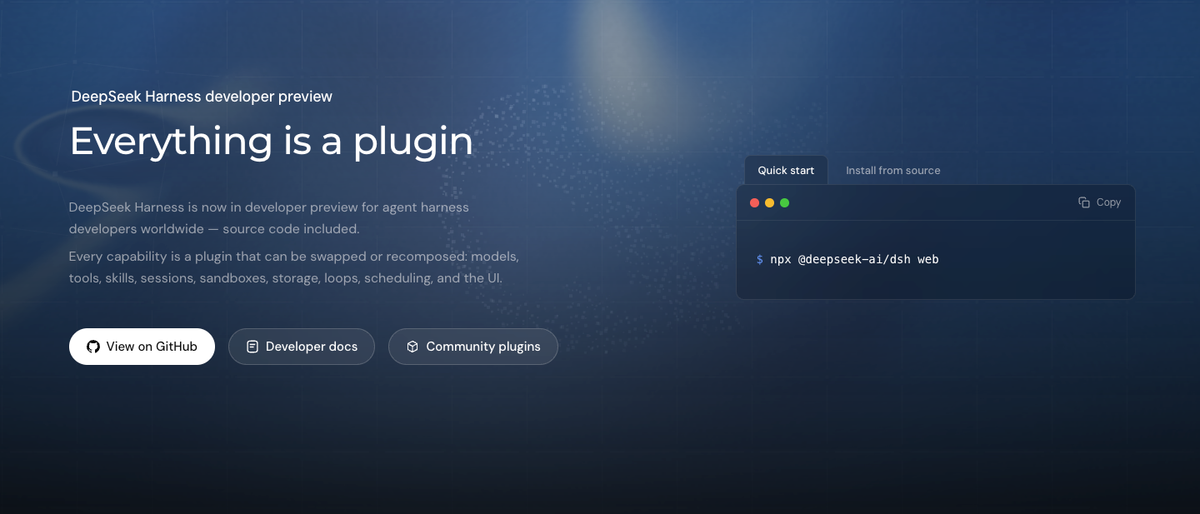
Official materials are moving quickly. The DeepSeek API documentation says DeepSeek Harness is in developer preview, while the official GitHub repository warns that compatibility-breaking changes can happen. For a senior developer or Tech Lead, the first task is provenance, permission, and rollback verification.
Verify the Product Before You Install Anything
Official Domains, Repositories, and Package Ownership
Start with three places only: deepseek.com, api-docs.deepseek.com, and the deepseek-ai GitHub organization. If a package, CLI, MCP server, skill, logo, invite link, or screenshot cannot be traced back there, do not treat it as official.
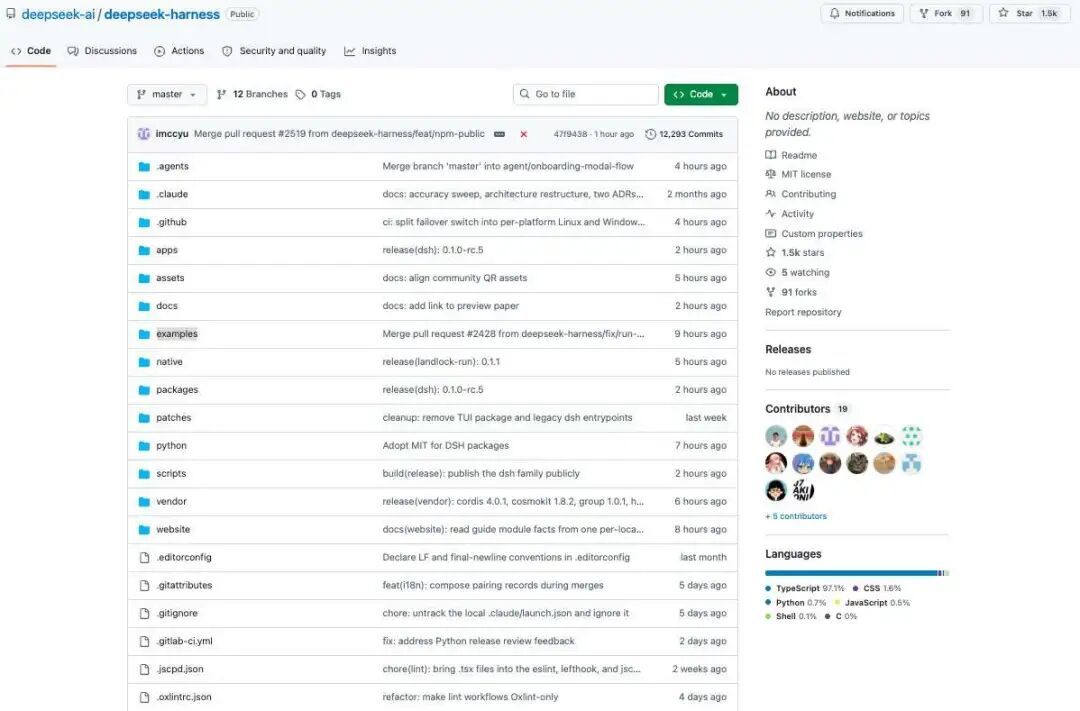
The repository that currently matters is deepseek-ai/deepseek-harness, which identifies DeepSeek Harness as an open-source agent harness developed by DeepSeek AI. Third-party projects with similar names can help spot confusion, but not prove official features. Provenance is only the first gate.
Product Naming and Version Provenance
Record:
- Homepage URL and capture date
- API docs URL and capture date
- GitHub organization and repository URL
- Branch, tag, release, or commit SHA
- Package name, owner, version, and publish date if you evaluate a package entry
If you cannot pin a version, do not compare benchmark numbers, security behavior, or cost. A developer-preview harness can change permission prompts, session formats, plugin APIs, and command behavior between builds.
Review the Permissions an Agent Harness Would Need
Repository Write Access and Command Execution
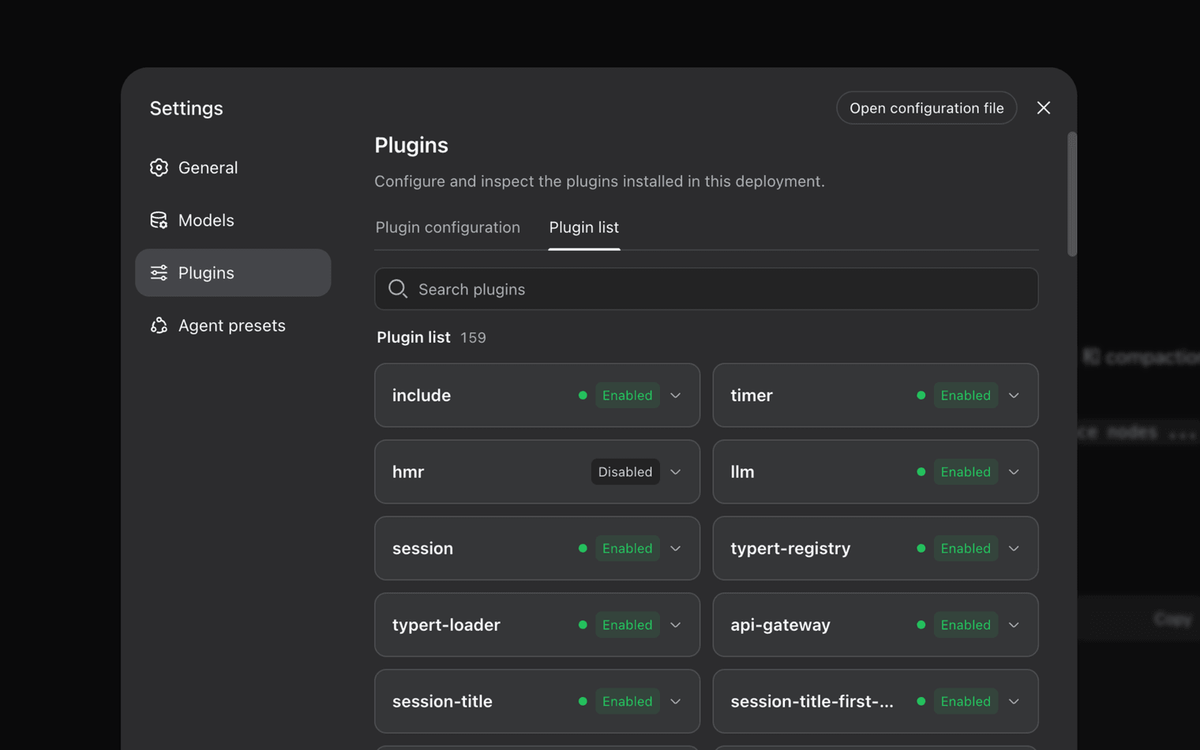
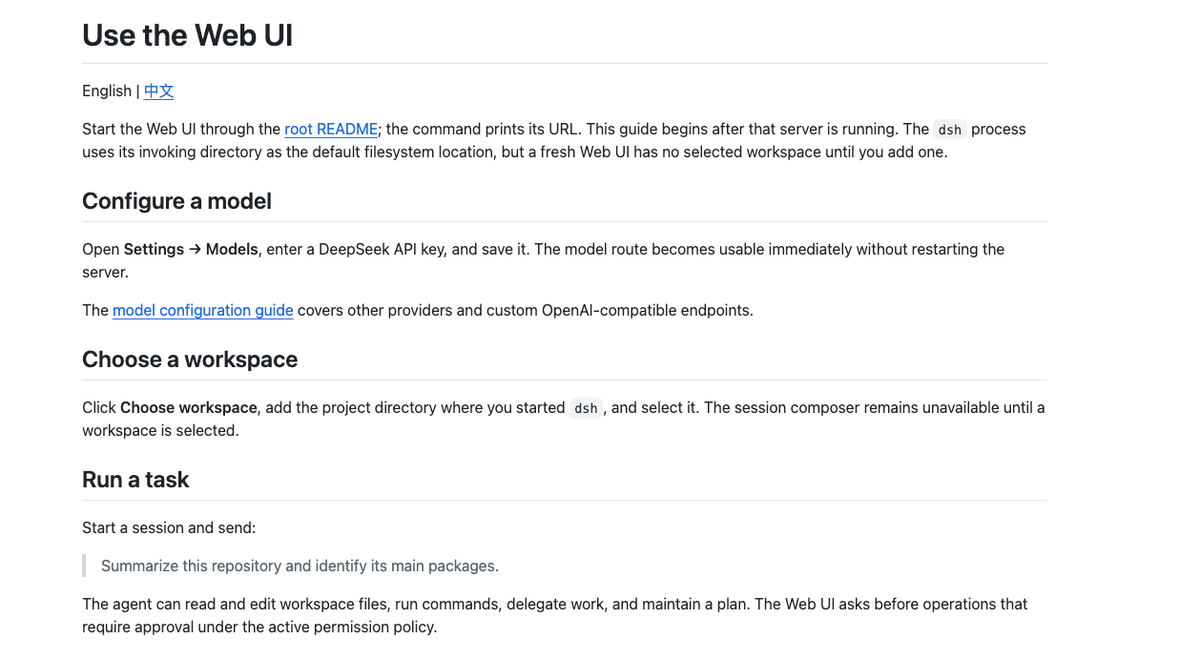
DeepSeek's Web UI guide says the agent can read and edit workspace files, run commands, delegate work, and maintain a plan after a workspace is selected. Isolate that permission cluster before any useful DeepSeek coding harness task.
For the first pilot, deny production repositories. Use a repo with no customer data, deployment secrets, private dependency tokens, or write path to release branches. If command approval appears, record whether it is per command, per class, per session, or policy-inherited.
Secrets, Network Access, and Sandboxing
Answer four questions:
- Where is the DeepSeek API key stored?
- Can the harness read
.env, shell history, SSH config, package manager tokens, or cloud credentials? - Can a plugin initiate outbound network calls?
- Can a subprocess escape the selected workspace?
Do not answer from a Discord post or README summary. Inspect the active permission policy, local config files, and runtime prompts. DeepSeek's Terms of Use, Privacy Policy, and Open Platform Terms should also be reviewed before client code or personal data enters the system.
Design a Safe Early-Access Pilot
Use a Disposable Repository and Test Credentials
Create a small repository that resembles your stack but contains no proprietary code. Add one bug, one multi-file refactor, one failing test, and one documentation update. The goal is to see what DeepSeek Harness changes when the task is slightly ambiguous.
Use a dedicated API key, disposable Git identity, and test-only credentials. Any GitHub, package registry, database, or cloud access should be revocable without production impact.
Define Human Approval and Rollback Points
Before the first run, write stop rules:
- Human approval before file writes outside the test repo
- Human approval before dependency installation
- Human approval before network calls to unknown domains
- Human approval before generated files are accepted
- Immediate stop if the agent looks for secrets, changes CI policy, edits lockfiles without explanation, or broadens task scope
Verdent can appear once as category context here: controlled multi-agent workflows need approval and verification gates. That does not mean Verdent is connected to DeepSeek Harness.
Capture Evidence Before Expanding Use
Logs, Diffs, Costs, and Failure Recovery
Keep the pilot auditable. Archive the prompt, model route, starting SHA, final diff, command log, approval prompts, test results, token or API cost, and human decision.
A useful AI coding harness security pilot produces evidence in four buckets:
- Correctness: tests pass, the diff matches the task, and no unrelated files changed.
- Control: the harness stopped at approval points and did not invent permission.
- Recovery: failed commands were explained, retried safely, or left for a human.
- Cost: the accepted diff has a measurable cost, not just an impressive transcript.
Discard any run where the starting repo changed, the model route changed, approvals were skipped, logs are missing, or a human repaired the result without marking it.
Decide Whether to Wait or Pilot
Pilot DeepSeek Harness only if you can isolate the repo, revoke credentials, capture logs, and assign a human owner for every accepted diff. Wait if your team needs a stable plugin API, client-code terms, reproducible benchmarks, or a completed data-retention review.
Developer preview can be worth testing, but it should not become a default coding path until provenance, permissions, rollback, and cost evidence survive your repo.
FAQ
Can beta credentials be transferred between team members?
Do not assume they can. Treat beta or preview access as identity-bound unless current limited-access terms allow transfer, shared accounts, or organization administration.
Which terms govern client code during limited access?
Review the current DeepSeek Terms of Use, DeepSeek Privacy Policy, Open Platform Terms of Service, and any limited-access terms attached to your account. This is not legal advice; counsel or procurement should confirm inputs, outputs, confidentiality, retention, and downstream obligations.
How should teams archive changing pre-release documentation?
Save dated copies of the homepage entry, API docs page, GitHub README, license, package metadata, and invitation terms. Include URL, capture date, commit SHA or version, and approver.
Who handles data deletion requests after access ends?
Use the deletion process in current DeepSeek privacy materials and applicable limited-access terms. If preview terms assign duties to the developer, record the internal owner before the pilot starts.
When should early benchmark results be discarded?
Discard them when the harness version, model route, permission policy, repository fixture, prompt, or evaluation script changes. In developer preview, old benchmark wins are historical notes unless reproduced on the current build. For a separate independent watch page, keep DeepSeek Code outside the official evidence chain.
Related Reading
- For acceptance criteria, retry limits, and recovery paths, start with a safe coding-agent loop.
- For team roles around agent loops, read the loop engineering overview.
- For review ownership, use the loop engineer role.