Agentic workflows do not fail at team scale because one developer wrote an imperfect prompt. They fail when an agent can change code, open a pull request, or trigger a downstream action and nobody can answer three questions: Who approved the scope? Who owns the execution environment? Who accepts the delivery risk?
For software teams, an agentic workflow is not just an adaptive automation loop. It is a managed delivery path in which one or more agents plan or execute work under named owners, bounded permissions, review gates, and a documented release decision. This page gives Tech Leads, Engineering Managers, senior developers, and solo builders a rollout model for putting those controls in place without turning the pilot into a governance theater exercise.
| Rollout decision | Named owner | Required evidence |
|---|---|---|
| What the workflow may attempt | Product Scope Owner | In-scope outcome, exclusions, acceptance criteria |
| What the agents may access and change | Technical Execution Owner | Repository boundary, tools, identity, logs, stop conditions |
| What may merge or release | Review and Release Owner | Diff, checks, approval record, rollback path |
Why Agentic Workflows Need a Rollout Model
Traditional automation follows a path the team wrote in advance. AI agentic workflows can choose steps, call tools, revise a plan, and react to intermediate results. That adaptability is useful, but it also moves mistakes. A vague requirement no longer stays in a ticket; it can become a plausible multi-file change before a reviewer notices the original ambiguity.
The operating model matters more than the seat count. The 2025 DORA research frames AI as an amplifier of the organization around it: strong feedback loops and clear workflows get more leverage, while weak delivery systems expose more instability. Agentic development raises the same issue with a larger action surface.
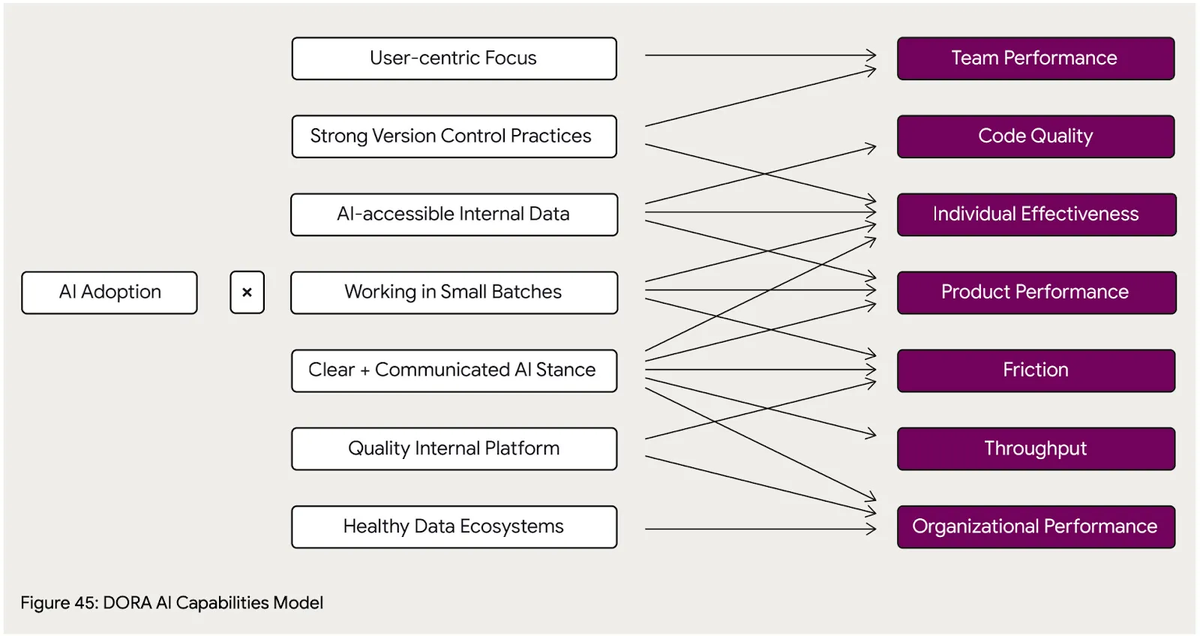
Expansion should therefore happen by task class and risk tier, not by announcing that another department now has access. A team may be ready to expand test generation while keeping authentication changes out of scope. It may allow agents to prepare deployment evidence without allowing them to deploy. Autonomous software development is not a permission tier; the unit of rollout is the governed workflow, not the user license.
Ownership Before Automation
Assigning “an AI owner” is too vague. Software delivery already separates product judgment, technical execution, and release acceptance; agentic software development should preserve those distinctions. One person may hold multiple roles in a small team, but each decision still needs an explicit owner.
Product Scope Owner
The Product Scope Owner decides which outcome is worth automating and what the workflow must not optimize away. This is usually a product lead, Engineering Manager, or domain owner who can resolve requirement conflicts.
Their rollout artifact is a scope contract: the user or system outcome, allowed task class, excluded behavior, acceptance criteria, and escalation questions. “Improve onboarding” is not enough. “Add server-side validation to the existing signup path without changing authentication, analytics, or public API behavior” gives an agent—and a reviewer—a real boundary.
This owner also decides whether the use case should remain agentic. If the task has stable inputs, fixed steps, and deterministic checks, ordinary automation may be cheaper to operate. Agentic workflow automation is justified when adaptation adds value inside a boundary the team can still inspect.
Technical Execution Owner
The Technical Execution Owner turns the scope contract into an executable envelope. A Tech Lead or senior maintainer should define the repository and path boundaries, available tools, service identity, credential scope, network access, execution budget, logs, and stop conditions.
This is where multi-agent work becomes an engineering problem. Parallel tasks need isolated change state, dependency-aware sequencing, and a rule for overlapping files. More agents do not create more ownership; they create more outputs that one technical owner must be able to trace back to a task, environment, and permission set.
I would require this owner to answer one recovery question before enabling writes: if the run stops halfway through, what state remains for a human to inspect? A clean branch, the plan, commands, test output, and unresolved errors are useful. A chat summary without the actual execution record is not a handoff.
Review and Release Owner
The Review and Release Owner decides whether the result is acceptable to merge, release, or discard. This should be a maintainer with authority over the affected service, supported by security, QA, or release engineering when the risk class requires it.
Do not collapse review into “the checks passed.” Tests can confirm known behavior while missing architectural drift, weakened assertions, operational cost, or an undocumented data change. The owner needs the original scope, the agent’s plan, the diff, verification evidence, and any permission exceptions in one review packet.
For a solo builder, these roles still matter. Write the scope as product owner, configure the environment as technical owner, then change context before reviewing as release owner. The point is not ceremony. It is preventing the same optimistic assumption from approving itself three times.
Pilot Design for Software Teams
A useful pilot is narrow enough to contain failure but real enough to expose delivery friction. Choose one stable codebase, one recurring task class, maintainers who understand its failure modes, and a release path that already has automated checks. Avoid a showcase repository with no users and no operational consequences; it teaches the team very little about review load or change management.
Run the pilot through distinct evidence gates:
| Gate | What the team does | Exit evidence |
|---|---|---|
| Baseline | Capture how the task reaches “accepted” today | Current review steps, defects, rework, elapsed time |
| Shadow | Let the workflow plan or draft without becoming the delivery source | Scope accuracy, proposed actions, permission requests |
| Supervised execution | Allow changes in an isolated branch with a human merge decision | Diff quality, check results, reviewer corrections, recovery record |
| Limited release | Use the workflow on the approved task class under the same controls | Stable acceptance quality and an incident path the team can operate |
Compare outcomes, not agent activity. Useful pilot measures include accepted-change rate, escaped defects, reviewer time, repeated failure classes, permission exceptions, rollback completeness, and cost per accepted change. Prompt count, generated lines, or time spent watching an agent may explain a result, but they are not the result.
The IMDA Model AI Governance Framework for Agentic AI reinforces the shape of this pilot: bound autonomy, tools, and data access upfront; keep humans meaningfully accountable; and expand gradually by users or features while monitoring behavior. That is a better expansion test than “the demo worked.”
Delivery Controls During Rollout
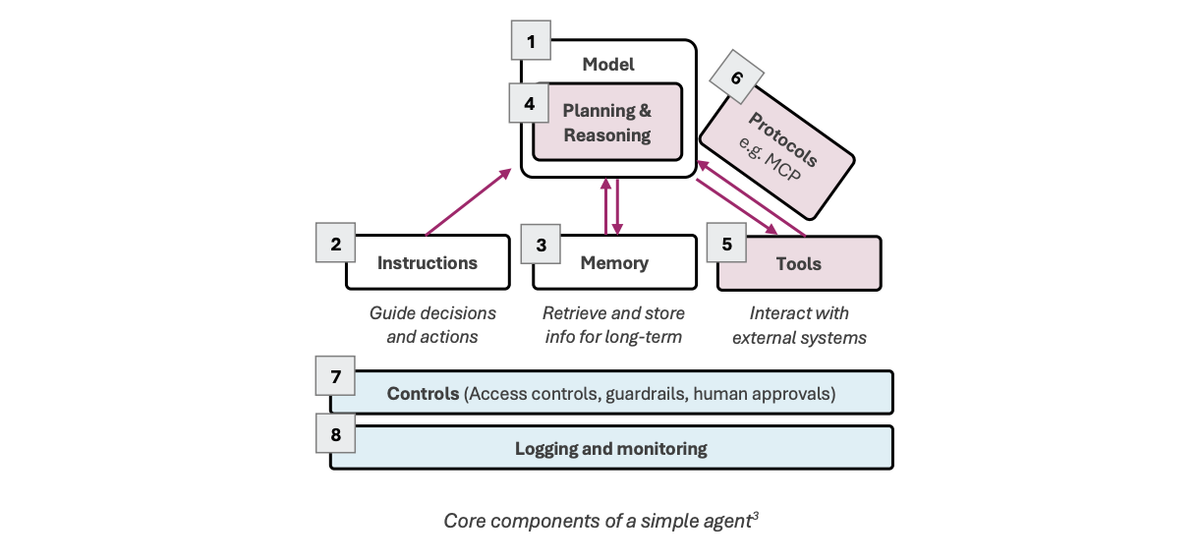
Controls should follow the task’s blast radius. Documentation drafts, test suggestions, and issue triage can begin with review-before-publish. Code changes belong in an isolated branch with CI and human merge. Authentication, secrets, data migrations, infrastructure, and production actions need an earlier approval gate and a named senior owner; some should stay out of agent execution entirely.
At minimum, the rollout policy should cover:
- Scope: allowed repositories, directories, task classes, and explicit exclusions.
- Identity: separate agent or service credentials with least privilege and expiry.
- Execution: isolated state, tool allowlists, network rules, spend or time ceilings, and repeated-failure stops.
- Evidence: plan, actions, diff, checks, model or workflow version, and approval history.
- Release: required reviewers, protected branches, deployment authority, rollback, and incident escalation.
Do not leave these controls only in a policy page. Put enforceable boundaries in repository settings, CI, identity controls, and the workflow configuration. GitHub’s current guidance for repository agentic workflows makes the same practical distinction: start with low-risk outputs, keep humans in the broader repository loop, and treat workflow instructions as code.
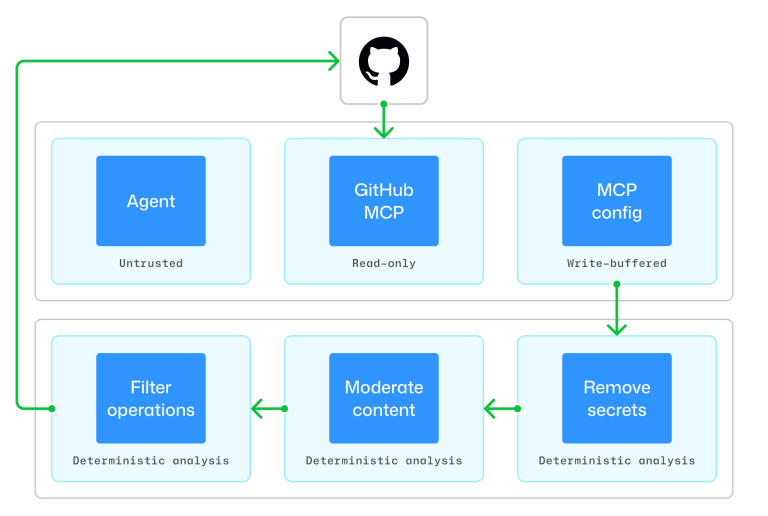
Tool modes can support the policy, but they do not replace it. For example, Verdent’s current Plan Mode keeps planning read-only until the user chooses execution. A rollout policy still has to say which task classes may cross that boundary, who approves the switch, and what permission mode applies afterward.
Documentation and Change Management
The documentation set should be small enough to stay current. I would start with a versioned workflow card that names eligible tasks, exclusions, owners, access boundaries, required evidence, approval points, and the incident contact. Link it from the repository rather than hiding it in an AI committee folder.
Keep a decision log beside it. Record why a permission was added, which failure justified a new check, and which pilot evidence supported expansion. When a model, orchestration layer, IDE plugin, or remote execution surface changes, rerun the affected checks before carrying the old approval forward.
Change management is not a training deck delivered after procurement. Maintainers need examples of acceptable task briefs and review packets. Security and support need the disable path. Managers need to explain that reporting a failed run improves the operating model rather than lowering an adoption score. Contractors need a sponsor, expiring access, and the same evidence requirements as employees.
The NIST AI Risk Management Framework Core includes post-deployment monitoring, override, incident response, recovery, and change management. For a software rollout, those ideas become concrete artifacts: a kill path, preserved run history, rollback ownership, and a documented decision about whether the workflow can resume.
FAQ
Who approves expansion beyond the pilot team?
The engineering sponsor should approve expansion with written input from the Product Scope Owner, Technical Execution Owner, and Review and Release Owner. Security or compliance must join when the new task class changes data, tools, permissions, or autonomy. Expand a specific governed workflow, not blanket access to “AI coding.”
How should contractors join the workflow?
Give each contractor a named internal sponsor, time-bounded identity, approved repositories, and task-specific permissions. Do not lend employee credentials or inherit access from a broad team group. The sponsor owns offboarding, reviews exceptions, and confirms that plans, diffs, checks, and unresolved failures remain in company-controlled systems.
What should managers avoid measuring early?
Avoid ranking developers by prompt volume, generated lines, agent hours, seat activation, or the percentage of code attributed to AI. Those activity metrics reward visible use and invite unsafe shortcuts. Measure accepted delivery, reviewer burden, defects, rework, permission exceptions, and recovery instead; adoption is useful only when the delivery system absorbs it safely.
When should procurement join rollout planning?
Procurement should join before the pilot sends proprietary code, requires paid seats, depends on vendor-hosted execution, or needs contractual answers on retention, training use, subprocessors, licensing, support, and service changes. Do not wait for a successful technical pilot to discover that its operating model cannot pass commercial or data review.
How should support teams prepare for incidents?
Support needs a short triage path: identify the workflow and affected service, stop new runs, preserve the plan and execution record, revoke or narrow credentials, route rollback to the release owner, and tell stakeholders what is known. The runbook should distinguish a bad patch, an access event, runaway cost, and service impact because each needs a different escalation path.
Agentic workflows become scalable when a team can widen their use without losing the ability to explain, stop, review, and recover the work. The rollout decision is not whether the agents look autonomous. It is whether the organization around them remains accountable.
Related Reading
- Separate this operating model from the implementation layer with agentic engineering patterns for plan gates, isolation, and verification.
- Go deeper on the loop components that govern repeated agent actions.
- Turn one bounded task into a coding-agent loop with explicit stopping and recovery paths.
- Add an observability view by examining how AgentsView represents multiple coding-agent sessions.