An inventory app accepts ten sample products. Its next release must import 10,000 rows without duplicating stock or exposing one customer's records to another. The preview cannot answer whether it will. The best AI app builder is the one whose team can inspect that change, preserve existing data, and release it without losing control of the product.
This is a documentation-based comparison checked on September 29, 2026, not a matched build test or reliability ranking. Prices, plan gates, and policies can change; confirm them for your workspace before paying. The shortlist covers five products that can turn an idea into an app or materially support that path: Lovable, Bolt, Replit, Verdent, and FlutterFlow.
How We Define the Best AI App Builder
We included tools with an AI-assisted route to a working web or mobile application, a documented way to inspect or extend the result, and a realistic path to another release. That excludes general chatbots, design-only mockup tools, and no-code platforms whose AI features are incidental. It also prevents an AI app generator with a good landing-page demo from winning by default.
The comparison asks five questions: Can you take away code and data? Can you integrate a service without exposing secrets? Can a developer test, review, and reverse a change? Who deploys it? What will continued use cost? These are procurement questions, not independent scores.
Quick Recommendations by Builder Type
| If your next constraint is… | Start with… | Why it is conditional |
|---|---|---|
| A founder-led web app built mainly through prompts | Lovable | Two-way Git sync gives developers a handoff, but backend data, secrets, and external services need a separate migration plan. |
| A browser-built web app with a downloadable project | Bolt | Fast prompt-to-publish workflow; keep your own code backup and inspect the generated stack before committing to hosting. |
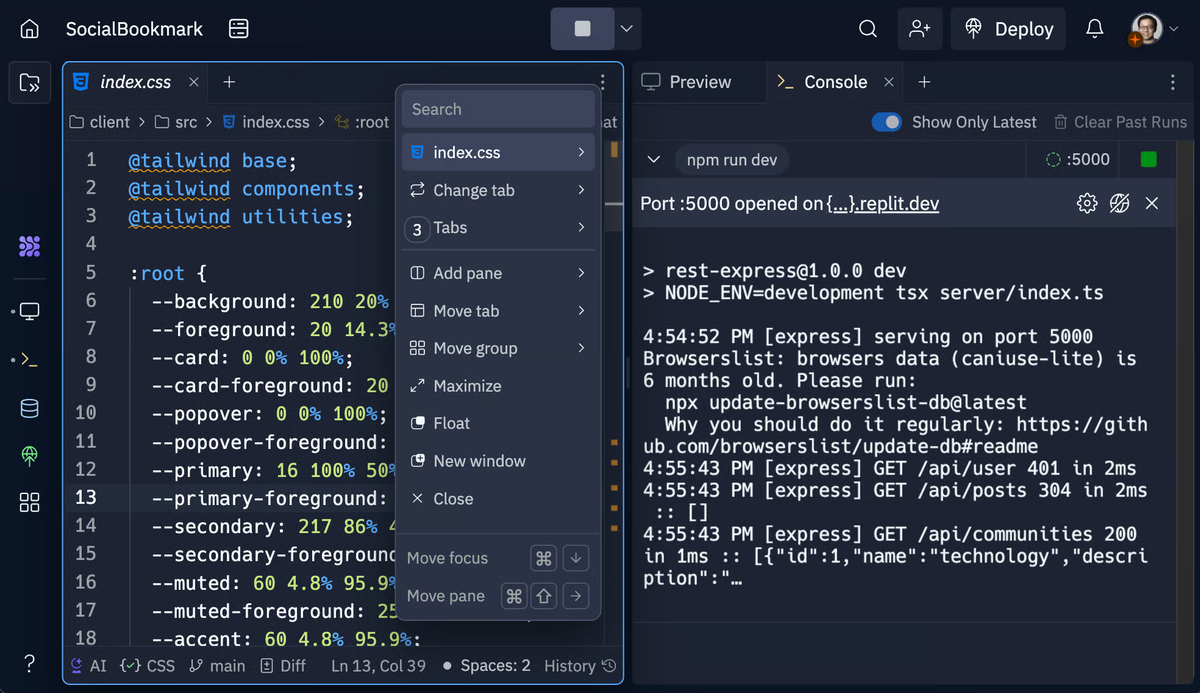
| An app built and maintained inside a browser IDE | Replit | Git, shell, Agent, and publishing share one workspace; the team still owns tests, data recovery, and spend controls. |
| An existing repository with frequent code changes | Verdent | Local or VS Code workflows make the diff and ongoing iteration central; it is less suitable if the team needs a purely visual builder. |
| A mobile-first product needing visual editing | FlutterFlow | Exportable Flutter code and app-store deployment are available on paid plans; plan the backend and custom-code handoff early. |
The budget changes the answer. Compare the plan that includes your required export, roles, and deployment features, then estimate ongoing usage. Check the current plans for Lovable, Bolt, Replit, FlutterFlow, and Verdent before paying.
The Shortlist
Prompt-First Hosted Builders
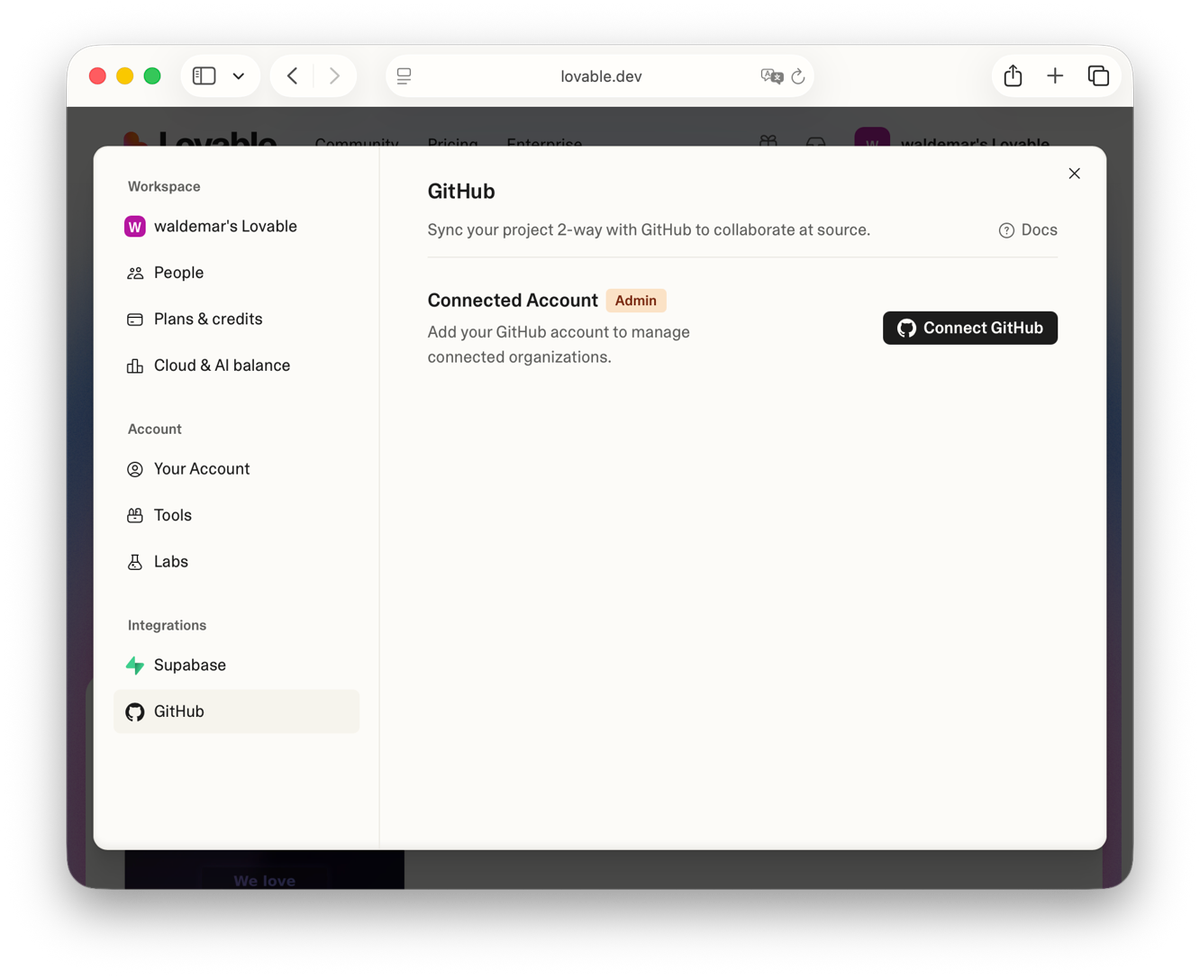
Lovable fits a product owner who wants to refine a web app through prompts while a developer maintains a repository. Its Git sync moves commits both ways. Lovable also hosts apps, but a clone may still depend on hosted data, secrets, authentication redirects, and managed connectors.
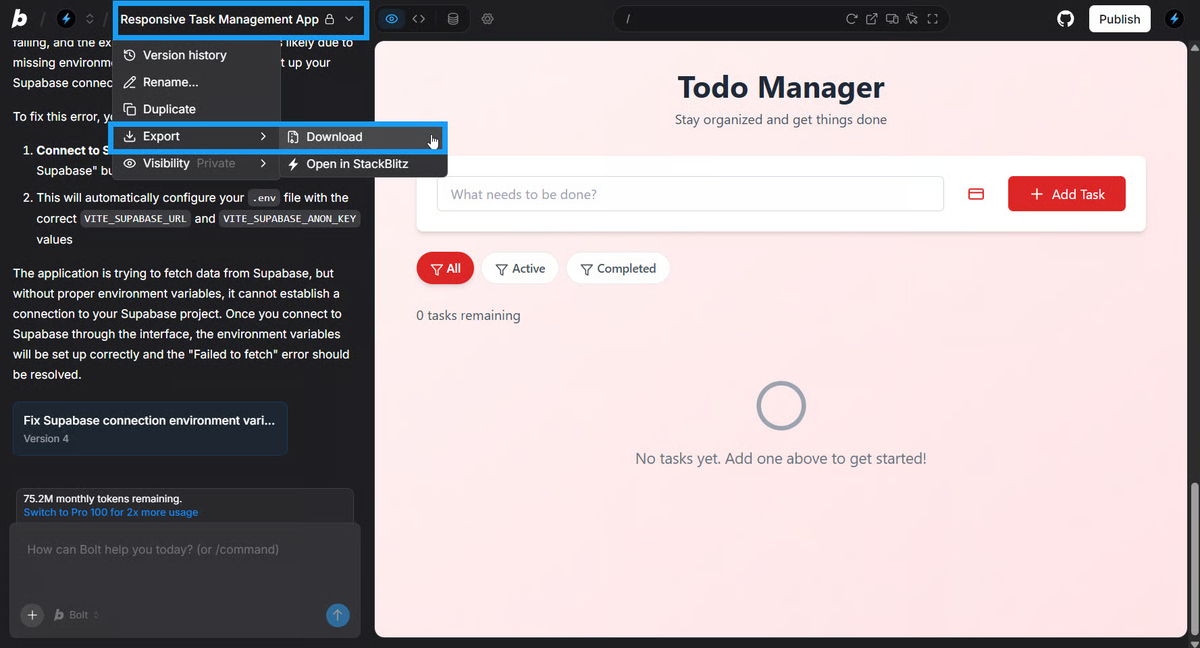
Bolt fits browser-based building and publishing with access to the files. Its project export provides a backup, and its publishing workflow reaches a live URL. The useful test is whether a developer can run the export and replace hosted dependencies.
Code-Centric AI Development Environments
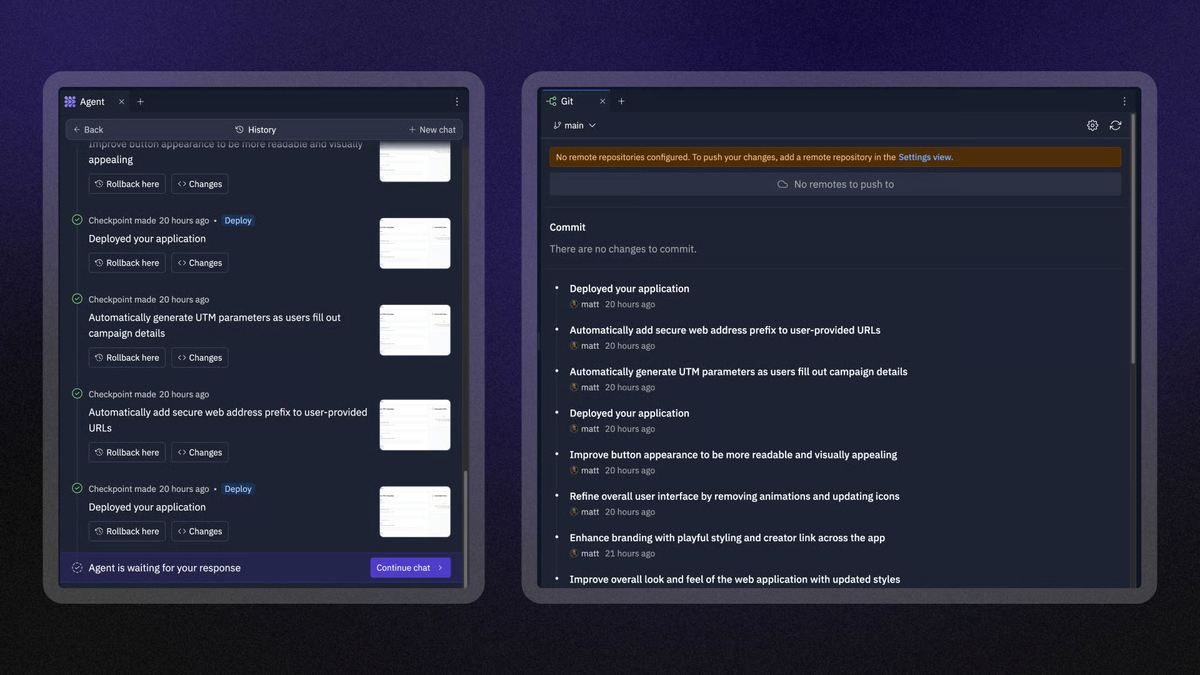
Replit fits a team that will keep engineering in the browser. Its Git-backed version control supports GitHub exchange, branches, and commits alongside Agent checkpoints. The workspace can edit, run, and publish an app. A checkpoint is still no substitute for a reviewed commit or database backup.
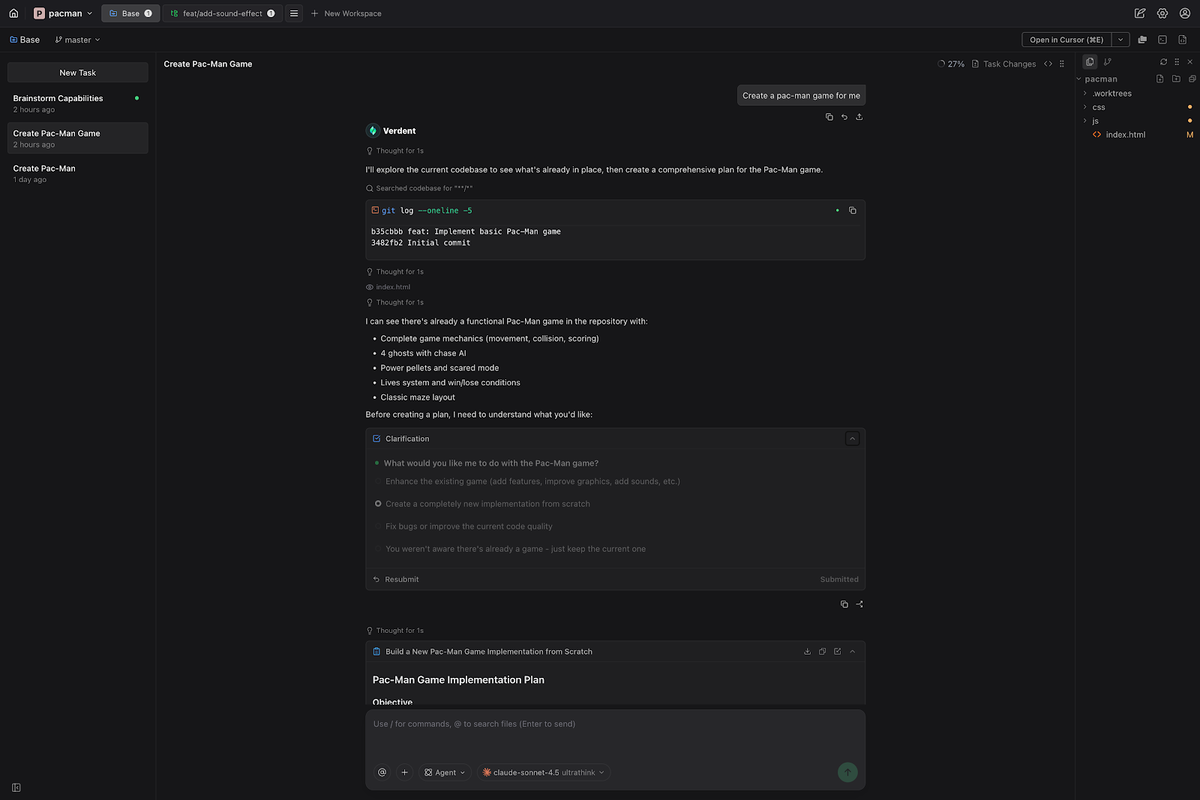
Verdent is the code-environment option. A project can be a local folder with Git workspaces, where developers review changes in their existing repository. A separate Cloud route supports browser-based building and publishing; specify which surface you are evaluating. Local workflows suit repeated fixes, review, and merge, while the team still owns production checks. The trial is time-limited, and credits vary by workload.
Low-Code Platforms with AI Features
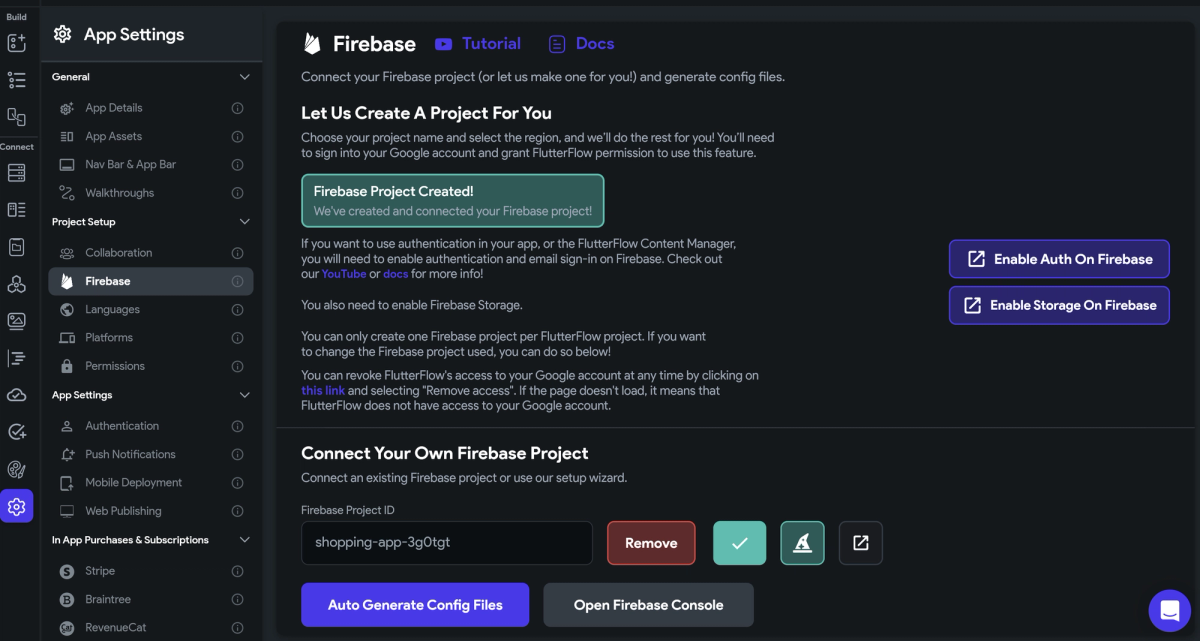
FlutterFlow is the visual route for mobile-first teams. It generates a Flutter app, connects to Firebase or Supabase, and exports Flutter source. Its plan comparison puts code download on Basic and above, and GitHub push and project-level access on Growth and above. Test the paid handoff before committing.
Compare the Builders Beyond the Prototype
Code and Data Ownership
“You own the code” answers a legal question; “Can we leave?” is an operational one. Lovable says customers own their projects and code, and Git sync provides a repository copy. Replit retains users' rights to submitted content under its terms. FlutterFlow says application output belongs to the creator and exported Flutter apps can run independently. StackBlitz's new Bolt terms assign its interest in generated output to the user, subject to third-party and legal limits; those terms may not yet govern accounts created before September 14. Verdent's local project starts in the team's folder; its Cloud projects need a separate export and hosting check.
For an exit, collect source at a named commit, schema and migrations, a data export, secret locations, deployment configuration, and external-account owners. Lovable warns that a clone can still point at the live backend: a local test could change production data.
Integrations and Extensibility
Choose one required integration, such as payments or transactional email. Add it without placing a secret in browser code. Inspect the network path, auth scopes, failure behavior, and provider cost. A connector does not settle account ownership or key rotation.
FlutterFlow's development environments can point different builds at different backends, but exported cloud-function files still need a secrets review. Lovable's repository may carry backend functions and schema migrations while leaving hosted secrets outside Git. Replit and Verdent give developers direct code-level routes to custom integrations, which increases flexibility and the team's implementation responsibility. A no-code AI builder is often fastest until a business rule falls outside its visual model; test that rule before you commit the product architecture.
Testing, Deployment, and Maintenance
Use the same post-demo change in every candidate: add CSV inventory import to an app that already has customer data. Acceptance requires valid rows to import once, malformed rows to leave existing stock intact, one customer to be denied access to another's inventory, and a safe rollback. This is a proposed evaluation, not a test we ran.
Record the changed files or visual actions, denied-case result, migration, release path, and rollback owner. The releaser must confirm that automated checks cover the business rule. Count the time to verify a change, not only to generate it.
Choose for Your Team and Product Stage
For a founder without a developer, begin with Lovable or Bolt if a prompt-led web app meets the need. Before accepting customers, export the code, list hosted dependencies, and identify a maintainer. Replit becomes more appealing when a developer wants a browser IDE with code, terminal, Git, and publishing.
For a team that already owns a repository, evaluate Verdent against the existing review and release process rather than against a blank-page demo. For mobile-first work, FlutterFlow's generated Flutter project deserves a direct build and handoff test on the paid tier that enables export. An app builder for founders should be chosen around the first difficult change the team can realistically review, not the first screen it can generate.
Limitations of AI App Builder Rankings
This shortlist weighs documented controls, not output quality, security, uptime, or productivity. Prices and policies may vary by plan, region, account, or contract. We did not inspect enterprise agreements or run a matched benchmark.
If data residency, deletion timing, or export fidelity is mandatory, obtain written terms for the exact plan and rehearse migration.
FAQ
Which Shortlisted AI App Builders Publish a Public Status History?
Lovable, Bolt, and Replit expose dated incident histories. FlutterFlow's status page links to a status-update history, though its public page did not return a readable incident list in this check. We could not verify a comparable Verdent public incident archive. A status page helps investigate outages; its existence alone is not an uptime comparison.
Which AI App Builders Offer Role-Based Team Access?
Lovable lists user permissions on Pro and role-based access on Business; Bolt lists team access management and granular admin controls on Teams. FlutterFlow places project-level access on Growth and above. Replit adds collaborators on paid plans and advanced controls on Enterprise; confirm each actual role. Verdent lists organization-wide permissions on Enterprise but does not publish a comparable project-role matrix. Test the precise editor, viewer, and admin permissions before procurement.
Which AI App Builders Let Customers Opt Out of Model Training?
Lovable allows an account-setting opt-out on Free and Pro; Business and Enterprise content is excluded under its published policy. Replit's Pro agreement describes a settings opt-out. Verdent says inputs and outputs need explicit consent for model training. Bolt's new policy describes an opt-out for eligible content, with a separate Forge consent rule; for existing accounts it is scheduled to take effect no earlier than October 7, 2026, so check the terms actually governing your account. We did not find an equally explicit FlutterFlow opt-out for builder prompts in its public policy; ask for a written answer before sending sensitive material. These are vendor policy statements, not a test of data handling.
How Long Does Each AI App Builder Retain a Deleted Project?
Replit explicitly says a deleted app becomes unrecoverable 30 days after deletion. That is a restoration window, not a guarantee that every backup vanishes on day 30. The other four did not provide a verified, project-specific deletion period in the public material reviewed. Lovable's privacy policy discusses account content rather than a fixed deleted-project timer; Bolt's new terms discuss export after certain account terminations, not ordinary project deletion; FlutterFlow documents snapshot windows for existing projects; Verdent describes account deletion and backups without a project timer. Ask support for live data, backups, logs, and third-party copies separately.
Do Free AI App Builder Plans Allow Commercial Projects?
A free plan is a usage tier, not an automatic noncommercial license. Lovable, Bolt, Replit, and FlutterFlow list ways to build or publish on free tiers; their terms retain customer rights or grant use of output, subject to third-party rights and service rules. For Bolt, distinguish building a Bolt app from licensing the separate WebContainer API, whose production and commercial use has its own plan requirement. FlutterFlow's free tier does not include source download or app-store deployment. Verdent advertises a seven-day credit trial rather than a durable free coding plan. Before charging customers, check the current terms, the plan's publish and branding limits, and licenses for any templates, packages, images, or external services.
Conclusion
Pick the builder whose second release your team can explain. Lovable and Bolt favor prompt-led web builds; Replit keeps development in a browser workspace; Verdent fits repository-centered iteration; FlutterFlow serves visual, mobile-first work. Run one inventory-import change and one export or recovery rehearsal before committing. The winner is the tool that leaves your team with a reviewable change, a controlled release, and a credible way to maintain the app.