
“Let project owners rename a project” sounds like a small ticket. In an existing web app, it touches validation, permissions, saved data, and the screen users see when saving fails. Agentic AI web development can help developers carry that change across files, provided the team defines acceptable behavior before implementation starts.
The workflow below follows that ticket from context to human review. It is a worked planning example informed by public documentation checked on September 18, 2026; no repository test run or delivery-speed benchmark is claimed.
What Agentic AI Web Development Means
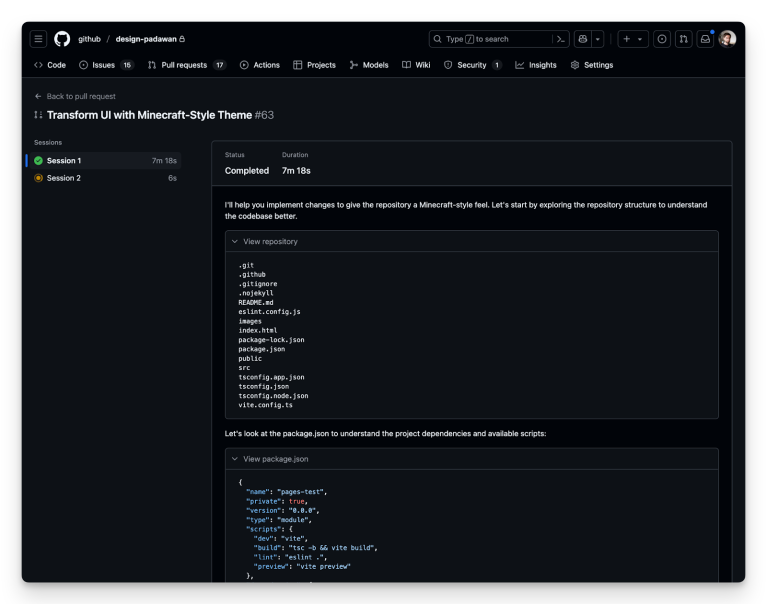
Here, agentic web development means giving a coding agent a bounded objective, repository access, and tools to inspect code, propose changes, run checks, and revise its implementation using the results.
AI agents for web development can perform several connected steps without a prompt for each edit. Engineers still own requirements, access controls, acceptance decisions, and releases. The useful measure of autonomous web development is how much verified work reaches review within those boundaries.
Choose a Bounded Feature in an Existing App
Assume a TypeScript web application already stores project names and distinguishes owners from viewers. Add a Rename action to its project details page, using existing form components and server authorization helpers.
Keep project IDs and URLs stable. Exclude schema changes, new roles, bulk editing, and unrelated cleanup. If inspection shows that renaming changes billing records or external integrations, stop and revise the scope. A short ticket can conceal a large dependency chain.
Give the Agent the Right Project Context
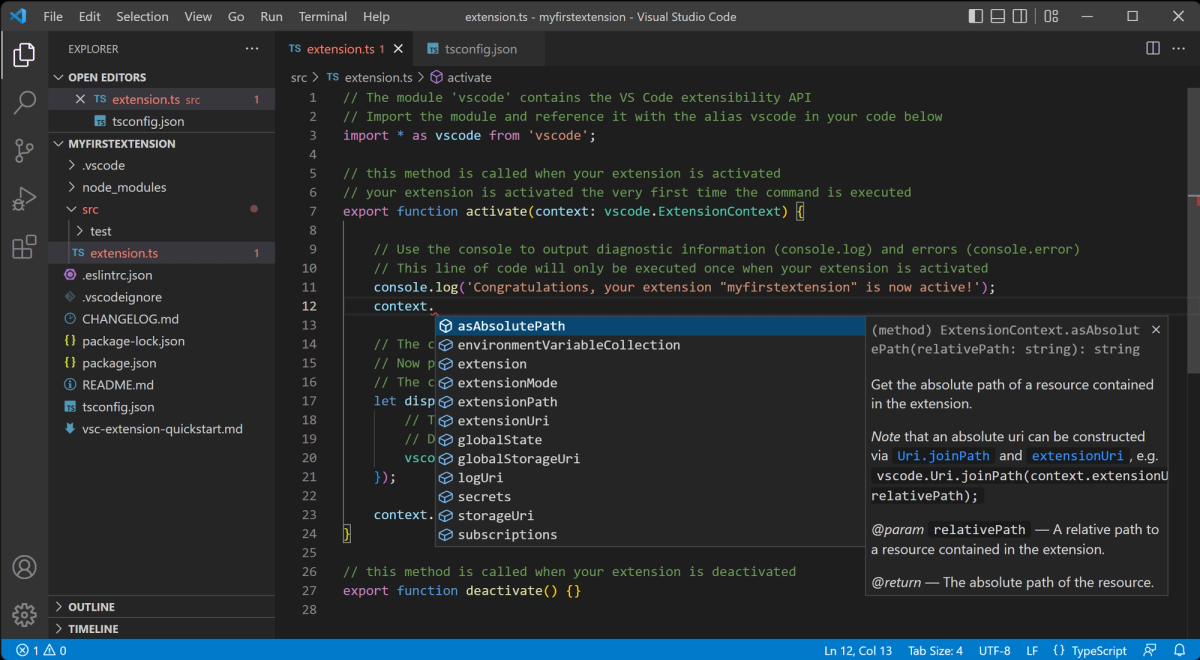
Provide the current branch and commit, setup instructions, package manager, repository rules, and exact commands used by CI. Point to the project page, persistence model, authorization helper, and a neighboring mutation with similar validation.
Supply synthetic owner and viewer accounts plus a disposable test database. Keep production credentials outside the agent’s environment; enforce access through tooling and credentials as well as written instructions.
Use a task brief such as:
Add project renaming for owners. Reuse existing validation, mutation, and permission patterns. Preserve project IDs and URLs. First identify affected files and propose acceptance tests. Do not add dependencies or change schemas, authentication, or deployment settings. Stop if the feature requires those changes.
For a coding agent, web app context should identify both the implementation path and the boundaries it must preserve.
Plan the Change and Its Acceptance Tests
Agree on observable results before accepting the plan. For this example, use the existing name-length limit and error conventions; reject names that are empty after trimming.
| Case | Required result |
|---|---|
| Owner saves a valid name | Heading updates; reload shows the saved name |
| Blank or overlong input | Client explains the error; server rejects direct invalid requests |
| Viewer sends a rename request | Server denies it; stored name remains unchanged |
| Server rejects save before writing | Old name remains displayed; draft input survives for retry |
| Owner cancels | No mutation occurs |
Ask the agent to map each case to a test layer: validation tests, API integration tests, and browser tests for the user journey. Record existing failures before editing. A failing baseline must remain distinguishable from a regression introduced by AI feature development.
Implement, Test, and Review the Feature
Keep Changes Small and Inspectable
Implement the server mutation and its tests, then connect the form and browser coverage. Follow the repository’s architecture; avoid creating a new data-access pattern for one field.
After each meaningful change, inspect the diff. Unexpected lockfile changes, reformatted directories, or altered authorization helpers deserve an explanation. A refactor that needs its own justification belongs in a separate change.
Verify Behavior Before Merge
Run the repository’s type checks, lint, focused tests, and required CI suite. Browser tests should exercise user-visible behavior with isolated test data: rename as an owner, reload, cancel an edit, and encounter a simulated rejection before persistence. After a timeout, refetch before declaring whether the write succeeded. Test server authorization directly, because hiding the button does not protect the endpoint.
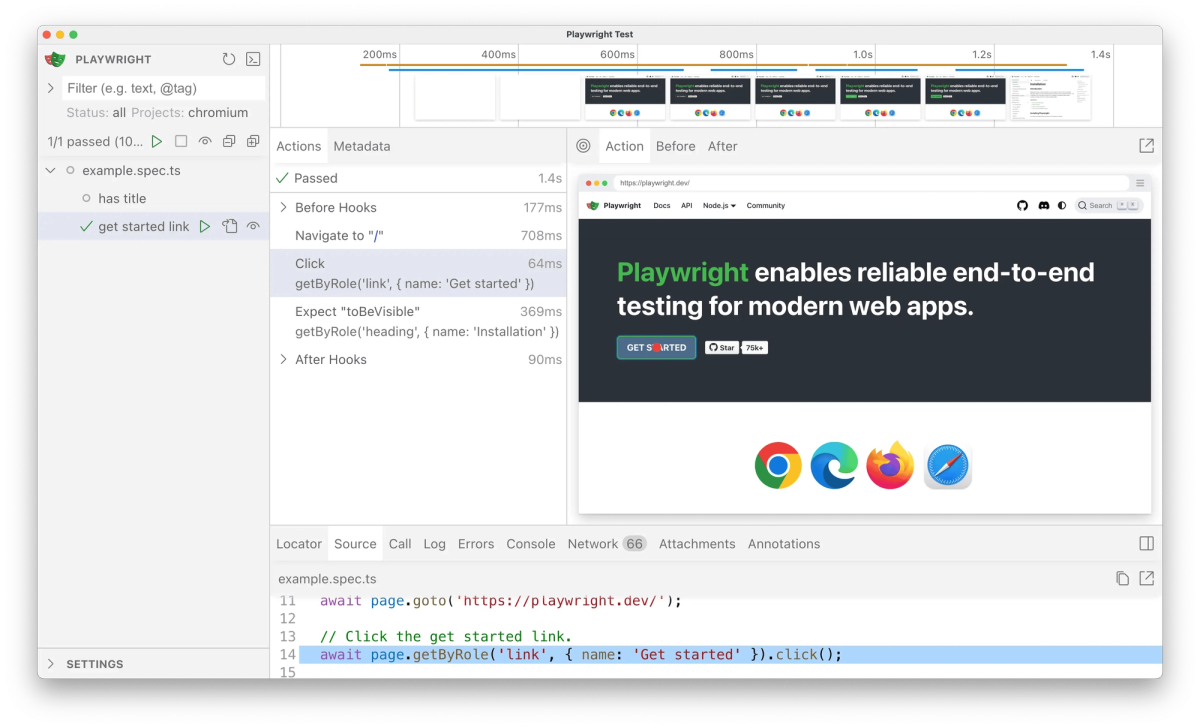
Review the tests too. An assertion copied from a mistaken implementation can produce a green result while preserving the bug. Check the acceptance table independently, then inspect keyboard operation, error messaging, and loading behavior.
Attach commands, exit results, relevant logs, and the tested commit to the pull request. After a review fix, rerun affected checks and required CI against the final revision.
Where Agentic Development Breaks Down
Stop when the agent cannot locate the authorization rule, when the test environment cannot reproduce the expected behavior, or when successive patches expand beyond renaming.
Repeatedly rewriting tests until they pass is especially dangerous: the expected behavior may be drifting. Preserve the failing case and return to the agreed requirement. When a repository lacks a reliable way to observe the result, establishing that check is the next engineering task.
A Practical Human-in-the-Loop Workflow
Use explicit handoffs: a human accepts the scope and tests; the agent implements and produces evidence; a reviewer checks behavior and the final diff; the release owner decides deployment.
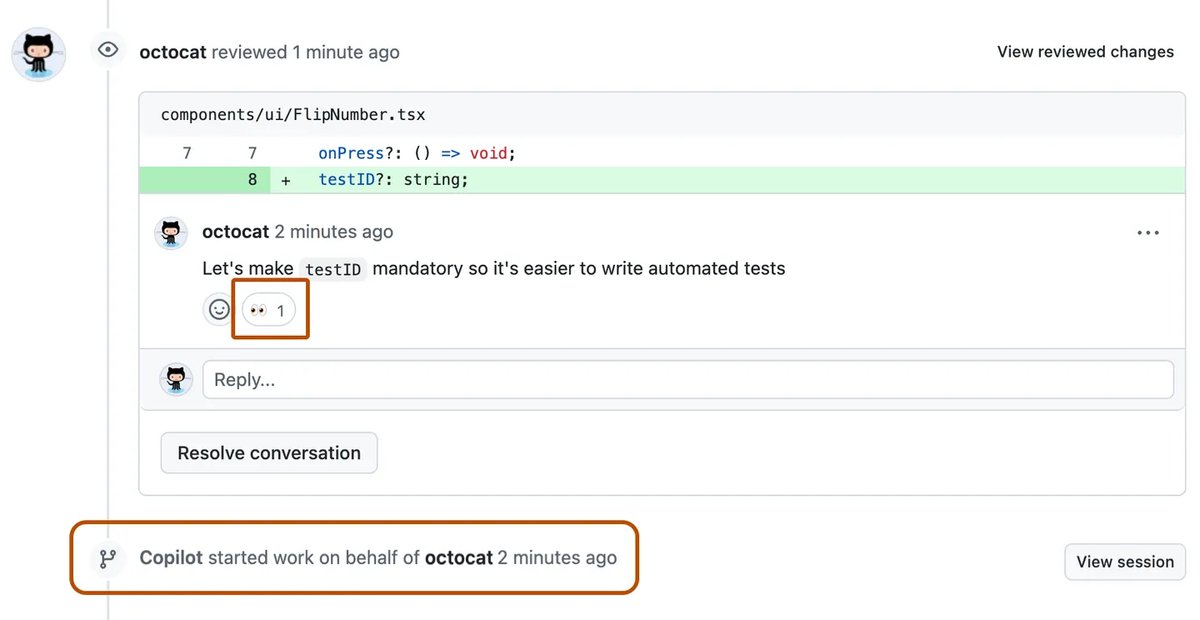
Where work can be separated, Verdent Manager can coordinate agents and collect finished tasks in To Review. Keep this small feature in one implementation task unless an independent task has a clear benefit. A Reviewer pass can surface structured findings, which a human must assess alongside test evidence.
The handoff should state what changed, which acceptance cases passed or remain unverified, and who owns the release. A completion message alone is insufficient.
FAQ
Can an Agent Update a Database Schema Without Direct Production Access?
Yes. It can author migration files and test them against a disposable database. A separately authorized deployment process applies the reviewed migration to production. Check compatibility with both deployed and replacement application versions, and plan data recovery separately. Our rename example deliberately reuses an existing column.
How Should Visual Regression Tests Fit an Agentic Web Workflow?
Add them for layout-sensitive states, such as the rename form and validation error. Keep browser, operating system, fonts, and fixture data consistent: screenshot comparisons depend on their rendering environment. A human should approve changed baselines. Screenshots complement behavioral tests; they cannot prove a rename persisted.
Can Feature Flags Make Agent-Written Changes Safer to Release?
Yes, if the existing flag system can disable the relevant execution path and you test both flag states. Hiding the Rename button alone leaves its endpoint available. Define the fallback behavior and removal owner. Turning a flag off cannot undo names already saved.
How Should an Agent Work Across a Web Monorepo?
Before editing, identify the owning application, shared packages, generated clients, and downstream consumers. Follow package-specific instructions and run affected consumers’ checks when shared contracts change. Assign shared files explicitly if agents work concurrently; separate working directories do not prevent incompatible API changes.
What Is the Fastest Way to Roll Back an Agent-Authored Feature?
Use a tested kill switch when it fully contains the problem; otherwise, redeploy the last compatible artifact. For source history, git revert records an inverse change, which still needs testing and deployment. Neither mechanism automatically restores data changed by the feature.
Conclusion
Agentic AI web development earns its place when a small request reaches review with behavior a maintainer can verify. For project renaming, the decisive moment is a rejected save: the stored name stays intact, the user can retry, and the reviewer can trace that behavior to a test. Define that moment before asking the agent to code.