Terminal coding agent değerlendiren çoğu geliştirici aynı duvara çarpıyor: Claude Code olgun ve iyi belgelenmiş varsayılan, ama output ağırlıklı agent çalışmalarında maliyet hızla birikiyor. DeepSeek V4 geldikten sonra DeepSeek-TUI açık alternatif olarak öne çıktı. Karşılaştırma uzaktan temiz görünüyor. Gerçekten inceleyince karmaşıklaşıyor.
Karşılaştırma sürümleri: DeepSeek-TUI v0.8.8 (Mayıs 2026, aktif geliştirme, GA değil) vs Claude Code (Mayıs 2026 güncel sürümü, GA). Her ikisi de aynı haftada değerlendirildi — her iki araç da hızla değiştiği için bu önemli.
Karşılaştırmayı baştan değiştiren bir gerçek: Claude Code, DeepSeek tarafından resmi olarak belgelenen ortam değişkenleri aracılığıyla DeepSeek V4'ü backend olarak çalıştırabiliyor. Bu niche bir geçici çözüm değil — DeepSeek'in kendi Claude Code için API entegrasyon rehberinde belgelenmiş. Pratik çıkarımı gerçek: Claude Code'un UX'i ile DeepSeek'in maliyet yapısı arasında seçim yapmak zorunda değilsin. Ama bu yolun kendi takasları var, aşağıda ele alındı.
Kısa Karar: Hangisi Sana Uyar?
DeepSeek-TUI seç, eğer DeepSeek V4'e bağlısın, RLM paralel subagent primitive'ini kutudan çıkar çıkmaz istiyorsun, Rust-native performans ve bellek ayak izini önemsiyorsun ve v0.8.x olgunluğunda community-maintained bir projeyi kabul edebiliyorsan.
Claude Code seç, eğer Anthropic'in first-party ekosistemini istiyorsun (xhigh effort, /ultrareview, görev bütçeleri, Routines, Max aboneliği), enterprise düzeyinde vendor hesap verebilirliğine ihtiyacın varsa veya birincil modelin Claude Sonnet/Opus ve model-spesifik bir harness etrafında inşa etmek istemiyorsan.
Yan Yana Karşılaştırma Tablosu
| DeepSeek-TUI v0.8.8 | Claude Code (Mayıs 2026) | |
|---|---|---|
| Runtime | Rust, boşta ~12MB RAM | Node.js, daha yüksek baz ayak izi |
| Kurulum | npm i -g deepseek-tui (Rust binary'lerini indirir) | npm install -g @anthropic-ai/claude-code |
| Varsayılan model | deepseek-v4-pro | Claude Sonnet 4.6 / Opus 4.7 |
| Desteklenen modeller | DeepSeek V4-Pro, V4-Flash; NVIDIA NIM, Fireworks, SGLang (hepsi DeepSeek) | Claude ailesi; env var takasıyla DeepSeek V4 |
| Context penceresi | 1M token (V4-Pro/Flash) | 200K (Sonnet 4.6), 200K (Opus 4.7) |
| Paralel subagent'lar | RLM: 1–16 V4-Flash child, native | Task tool: paralel subagent'lar, Claude yönetimli |
| Skill sistemi | SKILL.md, .claude/skills yolunu okur | Proje belleği, CLAUDE.md |
| MCP desteği | Evet, stdio | Evet, stdio |
| Onay modları | Plan (salt okunur) / Agent (araç başına onay) / YOLO | Plan modu / otomatik mod (Max kullanıcıları) |
| Maliyet modeli | Token başına API-metered | Abonelik (Pro/Max) veya API-metered |
| Açık kaynak | ✅ MIT | ❌ |
| Olgunluk | v0.8.x, community-maintained | GA, Anthropic-maintained |
| Enterprise destek | Yok | Mevcut (Teams/Enterprise planları) |
Önemli Mimari Farklar
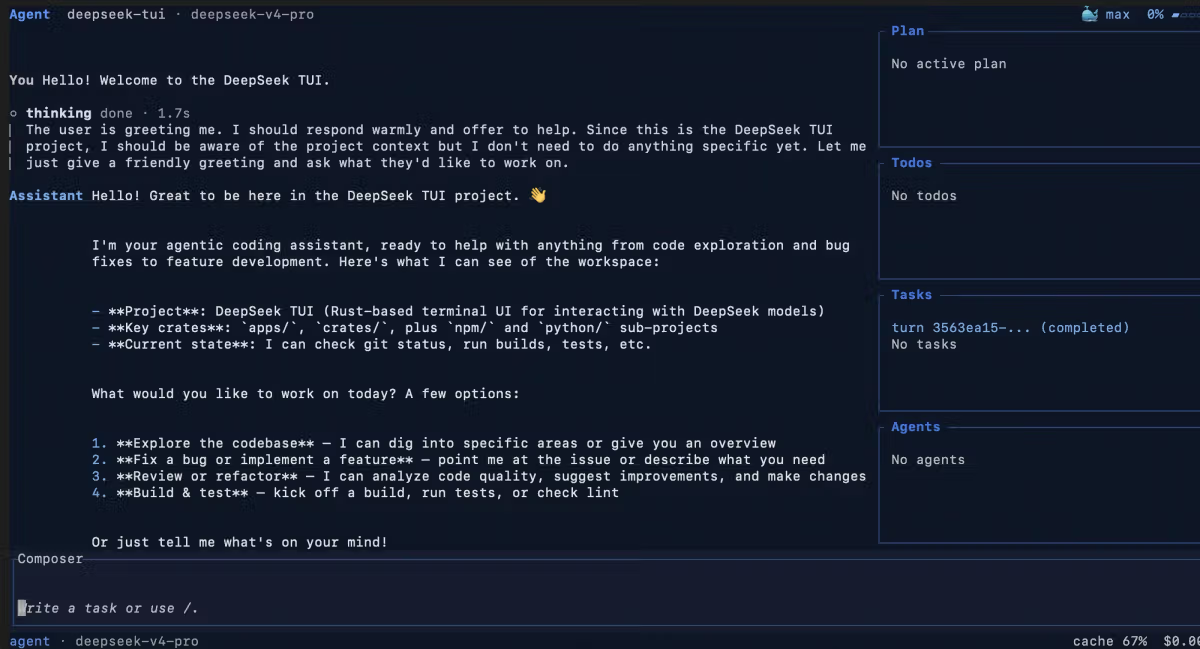
Rust ikili binary çifti vs Node tabanlı runtime
DeepSeek-TUI native binary'lere derleniyor. Runtime ek yükü minimal — proje boşta yaklaşık 12MB RAM bildiriyor, arka planda Node process, V8 heap veya Python interpreter yok. Birçok eşzamanlı process çalışan geliştirici makinelerinde bu pratikte önemli, yalnızca kağıt üzerinde değil.
Claude Code Node.js üzerinde çalışıyor; bu V8'in garbage collector'ı ve daha yüksek baz bellek profili demek. Çoğu geliştirici için bu alakasız — IDE plugin'leri ve language server'lar bu farkı gölgede bırakıyor. Kısıtlı sunucularda veya container'lı CI ortamlarında agent çalıştıran ekipler için fark gerçek.
Araç çağrısı protokolü: DeepSeek-native vs Anthropic-native
Claude Code'un araç çağrısı protokolü Anthropic'in API formatı etrafında inşa edilmiş — araç tanımlarının yapısı, sonuçların geri beslenmesi ve çok turlu agent döngülerinin yönetimi. DeepSeek-TUI, Anthropic-uyumlu endpoint sunan ama kendi davranışsal tuhaflıkları olan (özellikle araç çağrısı turlarında reasoning_content — DeepSeek-TUI'nin native olarak ele aldığı) DeepSeek API'si etrafında inşa edilmiş.
Claude Code'u ortam değişkeni takasıyla DeepSeek V4 backend olarak çalıştırdığında, Anthropic'in araç döngüsünü DeepSeek'in Anthropic-uyumlu endpoint'ine karşı çalıştırıyorsun. Uyumsuzluk genellikle sorunsuz — DeepSeek'in Anthropic format desteği belgelenmiş ve bakımı yapılıyor — ama edge case'ler mevcut. DeepSeek-TUI'nin CHANGELOG'u, Claude Code'un implement etmesi gerekmeyen reasoning_content işleme ve araç çağrısı transkript tutarlılığına yönelik spesifik düzeltmeler içeriyor; çünkü Claude Code DeepSeek'in thinking modunu native çalıştırmıyor.
DeepSeek-TUI'de LSP düzenleme sonrası tanı
DeepSeek-TUI LSP entegrasyonuyla geliyor: her dosya düzenlemesinden sonra ilgili language server'ı (rust-analyzer, pyright, typescript-language-server, gopls, clangd) sorgular ve inline tanı yüzeye çıkarır. Agent, kodu yazdıktan hemen sonra — insan diff'i incelemeden önce — tip hatalarını, eksik import'ları ve sözdizim sorunlarını görüyor.
Claude Code'un eşdeğer first-party LSP entegrasyonu yok. VS Code'da Claude Code kullanan geliştiriciler editör üzerinden LSP tanı alıyor, ama agent'ın kendisi harness yapılandırmanızda açıkça bir geri bildirim döngüsü kurulmadıkça düzenlemeler arasında yapılandırılmış tanı geri bildirimi almıyor.
Model Stratejisi — V4 Lock-In vs Anthropic Ailesi
"Model-spesifik harness" gerçekte ne takas ediyor?
DeepSeek-TUI'nin değer önerisi DeepSeek V4'ün tercih ettiğin model olmasına bağlı. Maliyet tahmincisi V4 fiyatlandırmasına ayarlı. RLM sistemi özellikle V4-Flash'a dağıtıyor. Prompt tasarımı DeepSeek V4'ün davranışı göz önünde bulundurularak revize edildi. Thinking-mode streaming, V4'ün reasoning_content'ini native render ediyor. Belirli bir görev için Claude Sonnet 4.6 kullanmak istersen veya computer use için GPT-5.5'e geçmek istersen bunların hiçbiri aktarılmıyor.
Takas açık: Tercih ettiğin model değişirse — bir Claude modelinin spesifik görev türünde V4'ü geçmesi, yalnızca GPT-5.5'in sunduğu computer use'a ihtiyacın olması veya Anthropic'in iş akışın için önemli bir kapasite sunması — DeepSeek-TUI bu modellere geçiş yolu sunmuyor. Araçları değiştirirsin, yalnızca bir parametre takas etmezsin.
Model lock-in ne zaman kabul edilebilir, ne zaman sorun?
DeepSeek V4 gerçekten iş yükünü karşılıyorsa lock-in kabul edilebilir. Maliyete duyarlı agentic iş akışları, yüksek hacimli kod üretimi ve frontier akıl yürütme derinliği gerektirmeyen görevler için V4-Flash'ın fiyat yapısı ve DeepSeek-TUI'nin RLM'iyle birleşerek lock-in makul bir takas oluyor.
İş yükün heterojen olduğunda lock-in sorun haline geliyor. Rutin kod üretimi (V4-Flash uygun) ve ara sıra zor mimari kararlar (Opus 4.7'nin SWE-bench Pro farkının önemli olduğu) yapıyorsan, görev türüne göre farklı modellere yönlendiren bir araç istiyorsun — ya da iki farklı araç çalıştırmayı kabul ediyorsun.
Paralel Subagent'lar Karşılaştırması
DeepSeek-TUI'nin RLM'i (rlm_query) — 1–16 Flash child
RLM, DeepSeek-TUI'de first-class primitive: ana agent tek prompt veya aynı anda 16'ya kadar prompt'la rlm_query'yi çağırıyor, her biri bir V4-Flash child başlatıyor. Child'lar aynı async engine'e karşı bağımsız API çağrıları olarak çalışıyor. Sonuçlar üst agent'a dönüyor, sentezliyor ve devam ediyor. Paralel bütçe (1–16) çağrı başına yapılandırılabilir; child'lar daha zorlu alt görevler için V4-Pro'ya terfi ettirilebilir.
Maliyet aritmetiği avantajlı: V4-Flash child'ları, aynı problem üzerinde tek bir V4-Pro çağrısıyla ekonomik olarak rekabet eden toplu analiz için 16 child fan-out ile yeterince ucuz.
Claude Code'un Task / subagent pattern'ı
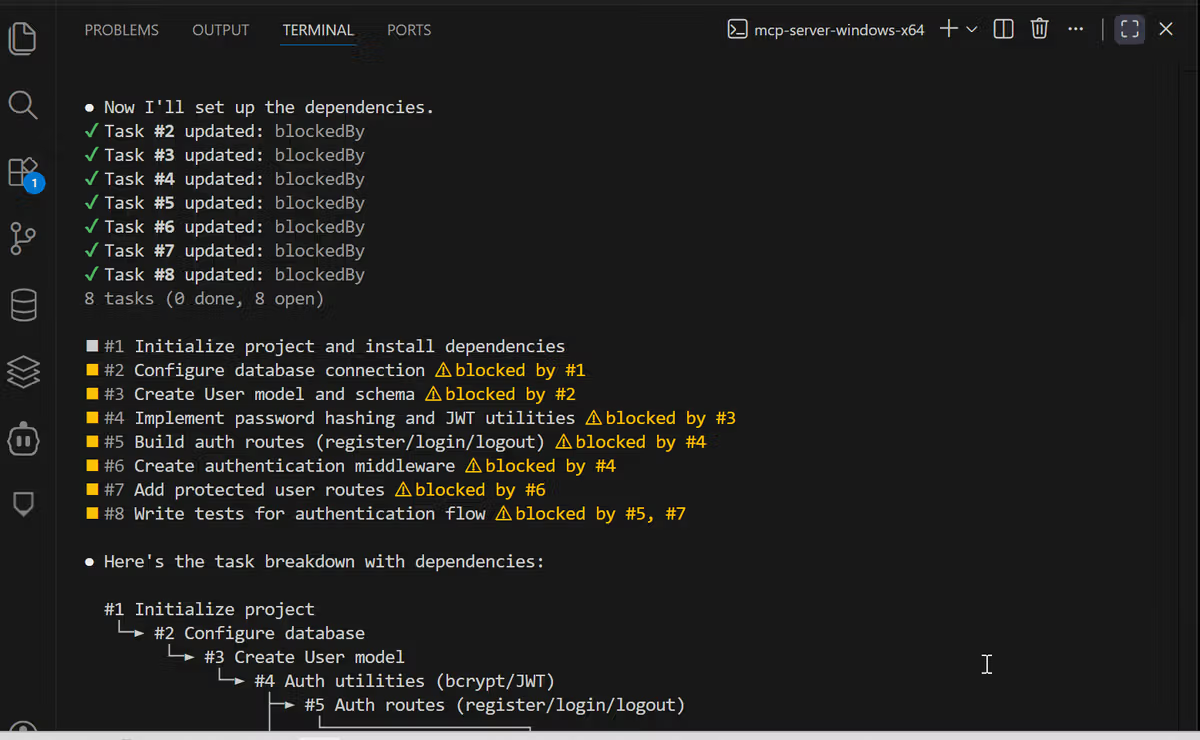
Claude Code, alt görevler için bağımsız Claude agent instance'ları başlatan Task tool aracılığıyla paralel subagent'ları destekliyor. Subagent'lar paralel çalışabiliyor; her birinin kendi araç erişimi ve context'i var. Orkestrasyon Anthropic'in runtime'ı tarafından yönetiliyor — RLM'deki gibi eşzamanlılık limitlerini yapılandırmıyorsun; sistem zamanlama işini hallediyor.
Davranışsal fark: Claude Code'un subagent'ları varsayılan olarak parent ile aynı model tier'ını paylaşıyor (daha ucuz model kullanmak için CLAUDE_CODE_SUBAGENT_MODEL'i yapılandırabilirsin). DeepSeek-TUI'nin RLM'i her zaman V4-Flash'a yönlendiriyor; ana agent ile child'lar arasındaki maliyet-kalite bölünmesi yapılandırma seçeneği yerine mimari varsayılan.
Her biri durum izolasyonunu nasıl ele alıyor?
DeepSeek-TUI'nin RLM child'ları durumsuz API çağrıları — bir prompt alıyor, sonuç döndürüyor ve kendi kalıcı context'i yok. Durum izolasyonu tam ama hafif: child'lar birbirinin çalışmasını gözlemliyemiyor, çalışma ortasında kesintiye uğratılamıyor ve konuşma geçmişi tutmuyor.
Claude Code subagent'larının daha zengin izolasyonu var: her biri bağımsız agent seansı olarak çalışıyor, kendi araç çağrılarını yapabiliyor ve belirli çalışma dizinleri veya dosya kapsamlarına atanabiliyor. Alt görevlerin kendilerinin çok turlu akıl yürütme gerektirdiği karmaşık ayrıştırma görevleri için Claude Code'un subagent modeli daha yetenekli. Bağımsız cevapları hızlı istediğin toplu paralel analiz için RLM'in hafif modeli yeterli.
Skill'ler, MCP ve Genişleme Yüzeyi
DeepSeek-TUI'nin skill keşfi .claude/skills yolunu da geziyor
DeepSeek-TUI skill'leri öncelik sıralı bir yoldan keşfediyor: .agents/skills → skills → .opencode/skills → .claude/skills → ~/.deepseek/skills. .claude/skills'in dahil edilmesi, Claude Code için halihazırda skill bakımı yapan ekiplerin yeniden yapılandırma olmadan bunları DeepSeek-TUI'de yeniden kullanabileceği anlamına geliyor — dosya okuma düzeyinde. Agent, görev açıklamaları skill açıklamalarıyla eşleştiğinde load_skill aracılığıyla skill'leri otomatik seçebiliyor.
Uyumluluk uyarısı: skill dosyaları isim, açıklama ve talimatlar içeren SKILL.md belgeleri. Claude Code'un dahili proje belleği sistemi (CLAUDE.md, proje düzeyi context), DeepSeek-TUI'nin skill etkinleştirme modelinden farklı çalışıyor. Temiz aktarılan şey SKILL.md içeriğinin kendisi; tetikleyici ve etkinleştirme davranışı iki araç arasında farklı.
MCP paritesi ve güven sınırları
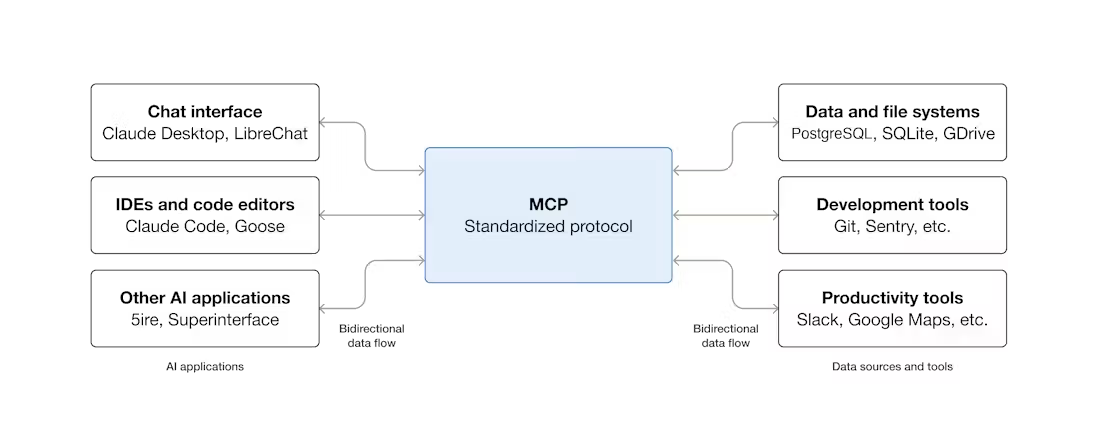
Her iki araç da MCP protokol spesifikasyonuna göre stdio transport aracılığıyla MCP implement ediyor. Yapılandırma yaklaşımları farklı: DeepSeek-TUI deepseek-tui mcp init ve TOML config kullanıyor; Claude Code kendi MCP server yapılandırmasını kullanıyor. İşlevsel olarak birinde çalışan herhangi bir MCP server diğerinde de çalışmalı — protokol standartlaştırılmış.
Güven sınırı işleme farklı. Claude Code'un araç çağrıları için güven modeli onay kapısı sistemiyle entegre. DeepSeek-TUI'nin YOLO modu onayları seans düzeyinde atlıyor, workspace güven kontrolüyle. Araç başına güven politikalarının önemli olduğu enterprise ortamlar için Claude Code'un daha granüler kontrolü alakalı ayrım.
Maliyet Profili
API-metered (DeepSeek-TUI) vs abonelik-bağlantılı (Claude Code)
DeepSeek-TUI tamamen API-metered: her token, çağrı anında DeepSeek'in token başına ücretlendirdiği kadar maliyete geliyor. Abonelik tabanı yok, koltuk fiyatlandırması yok, aylık taahhüt yok. Hafif veya değişken kullanım için ekonomik. Plan tavanlarına zaten çarpacağın ağır, sürekli kullanım için matematik abonelik fiyatlandırmasına kayıyor.
Claude Code öncelikli olarak interaktif kullanım için abonelik-bağlantılı: Pro ve Max planları plan limitlerinde erişim sağlıyor. API-metered Claude Code, kullandıkça öde isteyen ekipler için mevcut, ama interaktif kullanım abonelik modeli etrafında optimize edilmiş. Max'taki xhigh varsayılan effort seviyesi ve otomatik mod seans başına token tüketimini artırıyor — aylık Claude Code harcamasını bütçeleyen herkes için alakalı.
Gerçek iş yükünde birini seçmek ne değiştiriyor?
Pratik soru "hangisi daha ucuz" değil "benim spesifik hacmim ve görev karışımımda maliyet nasıl görünüyor?" Günde birçok saat çalışan output ağırlıklı agent döngüleri için DeepSeek-TUI'nin token başına ekonomisi önemli ölçüde daha düşük olabilir. Claude abonelik tier'ına rahatça sığan öngörülebilir kullanımı olan ekipler için abonelik modelinin sadeliği token başına optimizasyonun önüne geçiyor.
Maliyet yapısının en çok önem taşıdığı spesifik senaryo: yüksek retry oranlarıyla iteratif geliştirme çalışması — agent bir yaklaşım deniyor, başarısız oluyor ve döngüye giriyor. Yüksek output token hacimlerinde token başına fiyatlandırma birleşiyor. DeepSeek-TUI'nin RLM paralel yaklaşımı (bir yaklaşıma geçmeden önce düşük maliyetle analizi öne yüklemek için ardışık retry yerine aynı anda birçok ucuz child başlatmak) kısmen bunu ele almak için tasarlanmış.
Karar Çerçevesi
DeepSeek-TUI seç, eğer:
- DeepSeek V4 birincil veya tek modelin ve API davranışı etrafında özel tasarlanmış bir terminal agent istiyorsun
- RLM paralel subagent'ları iş akışının çekirdek parçası ve orkestrasyon altyapısı gerektirmeden built-in istiyorsun
- Rust binary, minimal runtime ayak izi ve LSP düzenleme sonrası tanı dağıtım ortamın için önemli
- v0.8.x community projesiyle rahatsan ve sürümler arası ara sıra kırıcı değişimi absorbe edebilirsin
- MIT altında açık kaynak ve Anthropic'e vendor bağımlılığı olmaması açık bir gereksinim
Claude Code seç, eğer:
- Birincil modelin Claude Sonnet veya Opus, ya da aynı iş akışında farklı görev türleri için model tier'larını karıştırman gerekiyor
- First-party Anthropic özellikleri önemli: xhigh effort, merge kapılarında /ultrareview, maliyet kontrolü için görev bütçeleri, planlanmış otomasyon için Routines
- Enterprise tedarik, named vendor, SLA ve destek yolu olan GA ürün gerektiriyor — DeepSeek-TUI kişisel proje, enterprise ürün değil
- Computer use yeteneklerine ihtiyacın var; bunlar Claude Code mimarisine native ve DeepSeek-TUI'de belgelenmemiş
Çok modelli, paralel yürütme platformları farklı bir boşluğu dolduruyor
Her iki araç da tek modelli terminal agent — bir model ailesi ve bir geliştirici etrafında tasarlanmış. Farklı görev türlerini farklı modellere yönlendirmesi, birden fazla codebase'de eşzamanlı paralel agent çalıştırması veya coding agent'larını daha geniş CI/CD ve review iş akışlarına entegre etmesi gereken ekipler farklı bir ürün kategorisine bakıyor. Verdent gibi platformlar bu boşlukta çalışıyor: çok modelli, IDE entegre, DeepSeek-TUI'nin RLM'i ile Claude Code'un Task tool'u arasında seçim yapmayı gerektirmeyen first-party paralel yürütme.
Sık Sorulan Sorular
DeepSeek-TUI Claude modelleriyle çalışabiliyor mu?
Hayır. Yapılandırma sağlayıcı olarak NVIDIA NIM, Fireworks ve SGLang'ı destekliyor, ama bunların hepsi DeepSeek modellerini sunuyor. Claude Sonnet veya Opus'u DeepSeek-TUI üzerinden yönlendirmenin yolu yok.
Claude Code DeepSeek V4'ü backend olarak destekliyor mu?
Evet — bu olması gerekenden daha az göze çarpıyor. DeepSeek'in resmi API belgesi, ayarlanacak tam ortam değişkenlerini gösteren bir Claude Code entegrasyon rehberi içeriyor:
export ANTHROPIC_BASE_URL=https://api.deepseek.com/anthropic
export ANTHROPIC_AUTH_TOKEN=<DeepSeek API Key'in>
export ANTHROPIC_MODEL=deepseek-v4-pro[1m]
export ANTHROPIC_DEFAULT_OPUS_MODEL=deepseek-v4-pro[1m]
export CLAUDE_CODE_SUBAGENT_MODEL=deepseek-v4-flash
Claude Code ardından API çağrılarını DeepSeek'in Anthropic-uyumlu endpoint'ine gönderiyor. Claude Code'un UX'ini, araç döngüsünü ve komutlarını koruyorsun. Kaybettiğin: Claude-native özellikler (xhigh effort, /ultrareview, görev bütçeleri) Anthropic'in backend'ine bağımlı oldukları için çalışmıyor. Ve DeepSeek-TUI'nin RLM'i, thinking-mode streaming ve V4 ayarlı prompt'lar Claude Code tarafında mevcut değil. Geçerli bir hibrit yol, ama geçmeden önce kapasite farkını anla.
Gerçek iş yüklerinde hangisi daha doğru araç çağrısı yapıyor?
Bu yazının yazıldığı tarih itibarıyla DeepSeek-TUI ve Claude Code'u kontrollü koşullar altında gerçek kodlama görevlerinde doğrudan karşılaştıran üçüncü taraf benchmark mevcut değil. Community raporları karmaşık çok dosyalı refactoring ve nüanslı talimat takibi gerektiren görevlerde Claude Code'u destekliyor; DeepSeek-TUI community geri bildirimi RLM paralel analizini toplu iş yükleri için gerçek bir farklılaştırıcı olarak öne çıkarıyor. Bunları kanıt değil anekdot olarak değerlendir. Karar vermeden önce her ikisini de kendi temsili iş yüklerinle çalıştır.
Aynı projede her ikisini de kullanabilir miyim?
Evet. Dosya sistemi düzeyinde çalışıyorlar ve git'e yazıyorlar — aynı çalışma ağacında aynı anda her ikisini çalıştırmıyorsan seans çakışması yok. Bazı ekipler aynı repo'ya karşı interaktif, akıl yürütme ağırlıklı seanslar için Claude Code ve toplu analiz görevleri için DeepSeek-TUI'nin RLM'ini kullanıyor. Skill örtüşmesi (DeepSeek-TUI .claude/skills'i okuyor) paylaşılan skill bakımını pratik kılıyor. Her ikisini yapılandırılmış tutmanın ek yükü düşük; hangisini hangi görev türü için kullanacağına karar vermek asıl iş.
Net konuşmak gerekirse: bu karşılaştırmanın "hangisi daha iyi" cevabı yok. DeepSeek V4'e bağlı, maliyet önemli ve RLM parallelism iş akışına uyuyorsa DeepSeek-TUI iyi bir seçim. Model karışımına ihtiyacın varsa, Anthropic'in first-party özelliklerine bağlıysan veya enterprise vendor koşulun varsa Claude Code. Ve her ikisinin de birinci sınıf olmadığı — çok modelli, görev başına yönlendirme, paralel izole yürütme — için Verdent.
İyi kodlamalar.