The durable unit of Python automation is no longer the script. It is the reviewable run: a defined trigger, a bounded identity, versioned code, observable steps, a testable result, and a person who can reject or roll it back.
That distinction matters for developers, Tech Leads, and independent builders automating repository work. Scripts should own predictable operations; agents belong where context changes the next step. Neither should bypass CI, permissions, or review.
Sources and product documentation were checked on September 14, 2026. This is a forward-looking workflow guide, not a claim about unreleased Python versions or future product behavior.
What Python Automation Means for Developers in 2027
Python automation scripts remain good wrappers for file operations, command-line tools, and APIs. Reliable workflow automation in Python adds the surrounding contract: trigger, revision, access boundary, evidence, and human approval point.
Think in three layers:
| Layer | Best owner | Required output |
|---|---|---|
| Deterministic execution | Versioned Python code | Exit status, artifact, structured log |
| Contextual planning | A human or agent | Proposed steps, assumptions, selected tools |
| Acceptance | CI plus an accountable reviewer | Check results, diff, approval or rejection |
Do not promote a script into an agent because “AI automation workflows” sound more advanced. Stable inputs, steps, and success conditions do not need model judgment. Use Python agents when a run must inspect evidence, revise a plan, or select a bounded tool from repository state.
Where Scripts Still Beat Agents
Repeatable Local Tasks
Formatting changed files, regenerating typed clients, checking imports, updating snapshots, or collecting test artifacts should usually remain ordinary code. These tasks have known commands and machine-checkable outcomes. Python’s subprocess.run() supports explicit argument lists, timeouts, captured output, and failure checking, which is a better control surface than asking a model to improvise shell syntax.
A useful wrapper should be idempotent where possible, reject unexpected paths, return a nonzero status on failure, and log enough context to reproduce the error without leaking secrets.
CI Jobs and Release Checks
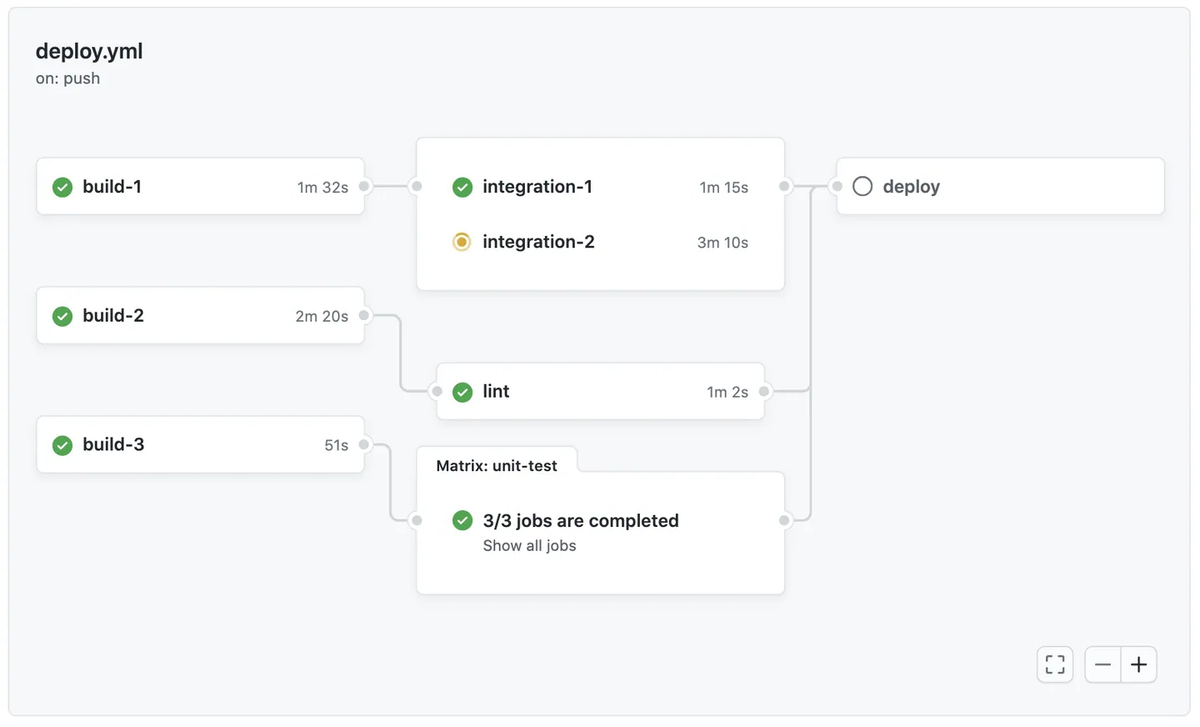
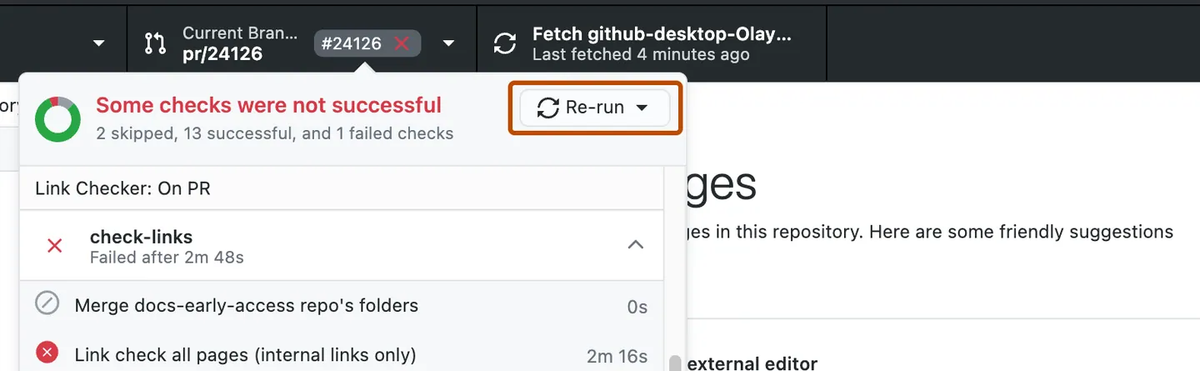
CI is policy enforcement, not an agent suggestion. Keep linting, unit tests, type checks, dependency audits, build verification, and release eligibility in version-controlled workflow files. Agents may propose changes or explain a failure, but they should not turn a red required check green by weakening the assertion.
Make the same command runnable locally and in CI. A python -m tools.verify_release entry point is easier to reproduce than logic embedded only in vendor YAML. Pin interpreter and dependency ranges, then preserve review artifacts.
Data Cleanup and Internal Tools
Schema migrations, fixture normalization, and repository metadata cleanup also favor deterministic Python. Define the input schema, preserve the original, validate invariants, and emit a change report. An agent may classify ambiguous exceptions, but the write path must validate them before changing data.
The boundary is simple: use an agent to resolve ambiguity, not to hide it.
Where Agents Make Automation More Useful
Planning Multi-Step Work
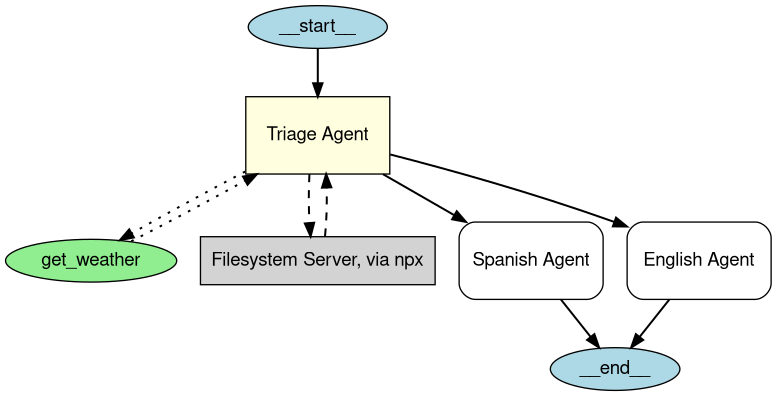
An agent earns its place when the next step depends on evidence discovered during the run. A dependency upgrade may require locating affected packages, reading migration notes, and adjusting the plan after a failed test. The OpenAI Agents SDK distinguishes LLM-directed orchestration from code-directed orchestration; code is more predictable when the sequence is already known.
Use model judgment inside a narrow envelope. Give the agent a goal, exclusions, available tools, stopping conditions, and the evidence required before it may propose completion.
Choosing Tools Based on Context
Treat every callable action as a versioned interface. Instead of an unrestricted shell, expose functions such as run_unit_tests(target) or inspect_dependency(name). Validate arguments in code and grant each function only the access it needs.
This keeps the choice adaptive while the action remains controlled. It also lets you replay the chosen tool call without replaying the model conversation.
Summarizing Results for Review
The useful agent output is not “task completed.” It is a review packet with the starting revision, plan changes, commands, files changed, check results, unresolved failures, and requested approval. Each claim should point to a log or artifact.
An agent can compress parallel results, but a reviewer must still be able to open the diff and raw failure output. A polished narrative is not verification.
Build a Reliable Automation Workflow
Define the Trigger and Expected Output
Start with a small contract before writing code:
trigger: pull_request
input: changed Python paths at revision SHA
identity: read repository; write check result only
output: JSON report plus process exit status
success: tests pass and report schema validates
approval: maintainer decides whether to merge
Name the event, revision, permissions, output, success test, timeout, and owner. “Nightly” is not enough if a run can process the wrong branch or overwrite its last report.
Add Logs, Tests, and Rollback Points
Give every run an ID and record timestamps, revision, tool, sanitized arguments, return code, artifact path, and approval state. Use structured fields for anything another job will query.
Unit-test the Python decision logic, then integration-test against a disposable repository, temporary database, or staging service. Before writes, create a Git branch, backup, versioned object, or compensating action. “The agent can fix it” is not a rollback strategy.
Keep Humans in the Approval Loop
Human approval belongs before merge, deployment, destructive migration, credential expansion, or an externally visible message. The reviewer needs the proposed action and evidence, not just a yes/no prompt. The OpenAI Agents SDK supports approval at an agent-tool boundary and inside a nested agent, but your application still decides which actions require it and who may respond.
How to Keep Automation Safe and Reviewable
Start new developer automation in report-only mode. Allow writes only after the team can reconstruct a failed run. Use a dedicated identity, restrict repository and environment scope, pin dependencies where practical, and treat issue text, logs, patches, and tool output as untrusted input.
Do not place credentials in prompts, command arguments, fixtures, or logs. In GitHub Actions, OpenID Connect can exchange a workflow identity for a short-lived cloud token when the provider supports federation. Limit token claims and job permissions; short-lived does not mean unscoped.
When automation needs to be decomposed, run in parallel, reviewed, and delivered as one tracked task, an agentic coding suite can serve as a coordination layer. Verdent Manager currently documents stages, subtasks, dependencies, acceptance criteria, worker dispatch, and a To Review handoff. That supports coordination; it does not prove a Python scheduler or queue integration, guarantee code quality, or replace the maintainer’s merge and release decision.
FAQ
Which Python schedulers support async jobs?
APScheduler is the clearest general-purpose option. Its development line exposes an AnyIO-based AsyncScheduler for asyncio or Trio, while stable 3.x uses AsyncIOScheduler; pin the major version. Standard-library asyncio schedules coroutines in a running process but is not a persistent scheduler.
Which task queues document retry and backoff policies?
Celery 5.6 documents manual and automatic retry, exponential backoff, caps, and jitter in its task retry options. RQ exposes a Retry object with maximum attempts and intervals. Separate execution retries from message-publish retries, and make side effects idempotent.
Which package formats expose reusable automation entry points?
Wheels and source distributions can carry entry-point metadata from pyproject.toml. Use [project.scripts] for command-line wrappers and named groups for plugins; the PyPA entry-points specification defines their interpretation. A raw .py file runs directly but lacks the same installable interface and dependency metadata.
What license terms affect sharing automation templates?
Check the template, bundled dependencies or snippets, distribution files, and intended reuse. PEP 639 package metadata can record an SPDX License-Expression and license files, but it does not decide compatibility. This is not legal advice; rely on the specific code, distribution method, and current license texts, and seek qualified advice when obligations are unclear.
Which CI runners support Python version matrix jobs?
GitHub Actions combines strategy.matrix with actions/setup-python; its example covers multiple CPython and PyPy versions. GitLab CI/CD creates combinations with parallel:matrix. Test declared or planned versions, and do not let an allowed failure mask a required interpreter failure.
Conclusion
Python automation in 2027 should start with the smallest deterministic mechanism that can do the job. Add an agent only where context changes the route, keep each action behind a typed and permissioned tool, and require every run to leave behind evidence a reviewer can inspect.
The final test is recoverability. If you cannot identify the input revision, permissions, actions, checks, approver, and rollback point, you do not yet have a reliable workflow—you have an execution that happened.
Related Reading
- Decide who owns scope, execution, review, and release in an agentic workflow
- Place model routing, tool permissions, state, and approvals in an inspectable control layer
- Use automated code review as evidence and risk triage rather than merge authority
- Turn repository instructions into an operational contract for coding agents